

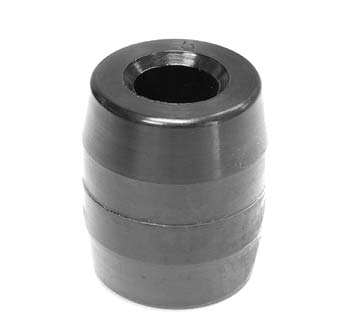
Entry Exit Rollers for Manual Pallet Jack
16129000
Guaranteed Fit. Check fit with us before you buy. If we confirm it fits your machine and it doesn’t, we’ll exchange or refund it: no restocking fee, return shipping on us. How it works
Not sure it fits? Send us your make, model and serial number and we’ll check it before you buy.
Couldn't load pickup availability
- Expert support & fitment help
- 30-day returns
- Fast Shipping
Compatibility
|
Make |
- |
|---|---|
|
Model |
- |
Visit our diagram page for part references to popular models
Product Description
ENTRY AND EXIT ROLLERS
Specifications
Product Overview
| Product Type | Entry and Exit Rollers |
Physical Specifications
| Material Composition | Polyurethane or Nylon with Steel Shaft |
| Primary Function | Load guidance and pallet support during loading/unloading cycles |
| Wear Indicators | Cracks, flat spots, excessive wear, or pallet binding during operation |
| Typical Service Life | 2-4 years in moderate warehouse use; varies with application intensity |
Compatibility
| Application | Manual pallet jacks and pallet handling equipment |
Frequently Asked Questions
Q: What equipment does the 16129000 entry and exit roller fit?
A: The 16129000 entry and exit rollers are designed for manual pallet jack assemblies. These rollers guide the load wheel path and support the forks during lift operation. They are compatible with standard manual pallet jacks from OEM brands including Crown, Toyota, Yale, and similar manufacturers.
Q: What is the function of the 16129000 entry and exit rollers?
A: The 16129000 rollers serve as directional guides and load supports mounted on the jack frame. Entry rollers guide the pallet onto the forks while exit rollers guide the pallet off. These components reduce friction and prevent pallet binding during loading and unloading cycles.
Q: What material are the 16129000 rollers made from?
A: The 16129000 entry and exit rollers are typically manufactured from polyurethane or nylon with steel shaft assemblies. This material composition resists wear from repeated pallet contact and provides smooth gliding action under load.
Q: How do I identify when the 16129000 rollers need replacement?
A: Replace the 16129000 rollers if they are cracked, flat-spotted, or excessively worn. If the pallet binds, hangs up, or does not slide smoothly during loading or unloading, the rollers should be inspected and replaced if damaged.
Q: What is the typical replacement interval for the 16129000 entry and exit rollers?
A: In moderate warehouse use, the 16129000 rollers typically last 2-4 years before wear becomes noticeable. High-cycle applications or rough handling may require replacement sooner. Regular inspection during preventive maintenance helps identify wear early.