

Entry and Exit Rollers
30006000
Guaranteed Fit. Check fit with us before you buy. If we confirm it fits your machine and it doesn’t, we’ll exchange or refund it: no restocking fee, return shipping on us. How it works
Not sure it fits? Send us your make, model and serial number and we’ll check it before you buy.
Couldn't load pickup availability
- Expert support & fitment help
- 30-day returns
- Fast Shipping
Compatibility
|
Make |
- |
|---|---|
|
Model |
- |
Visit our diagram page for part references to popular models
Product Description
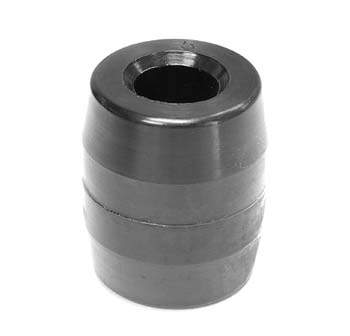
ENTRY AND EXIT ROLLERS
Specifications
Product Overview
| Product Type | Entry and Exit Rollers |
| Part Number | 30006000 |
Physical Specifications
| Material Options | Polyurethane or Cast Iron |
| Polyurethane Benefits | Quieter operation, improved floor protection |
| Cast Iron Benefits | Higher durability in extreme wear environments |
| Function | Guide and support pallet forks during engagement and disengagement from pallet deck notches |
Compatibility
| Compatible Equipment | Manual pallet jacks from multiple manufacturers |
| Replacement Indicators | Flat spots, cracks, or significant wear impairing fork entry smoothness |
Frequently Asked Questions
Q: What is the function of entry and exit rollers 30006000 on manual pallet jacks?
A: SKU 30006000 entry and exit rollers guide and support pallet forks as they engage and disengage from pallet deck notches. These rollers reduce binding friction and wear on the fork shafts during load lifting and lowering cycles, improving smoothness and extending equipment life.
Q: Which pallet jack models use rollers 30006000?
A: Part 30006000 fits multiple manual pallet jack models from Crown, Toyota, Raymond, Yale, Hyster, and other standard-capacity jacks. Verify the roller diameter, shaft size, and mounting configuration match your equipment. Entry and exit roller designs vary by fork profile and pallet jack frame design.
Q: What material are entry and exit rollers 30006000 made from?
A: SKU 30006000 rollers are typically composed of polyurethane or cast iron material depending on the variant. Polyurethane rollers offer quieter operation and better floor protection, while cast iron provides higher durability in extreme wear environments. Confirm which material variant your pallet jack requires.
Q: How often should entry and exit rollers 30006000 be replaced?
A: Entry and exit rollers should be replaced when they show flat spots, cracks, or significant wear that impairs fork entry smoothness. SKU 30006000 replacement frequency depends on pallet jack usage intensity and pallet type. Inspect rollers during regular service intervals for damage and wear.