

Fuse for Electric Lift Truck
EP 1-300022-2
Couldn't load pickup availability
- Expert support & fitment help
- 30-day returns
- Fast Shipping
Compatibility
|
Make |
- |
|---|---|
|
Model |
- |
Visit our diagram page for part references to popular models
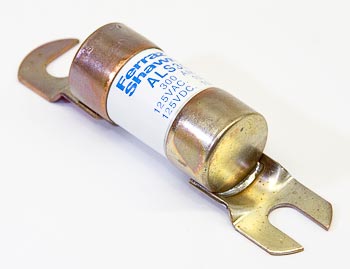
Product Description
FUSE, 300AMP
Frequently Asked Questions
Q: What is the amperage rating of the EP 1-300022-2 fuse?
A: The EP 1-300022-2 is a 300 amp fuse designed for high-current protection in electric lift truck power systems. This amperage rating is used to protect primary power distribution circuits in electric lift trucks from overcurrent conditions.
Q: For which electric lift truck systems is the EP 1-300022-2 300 amp fuse used?
A: The EP 1-300022-2 is a main power protection fuse for electric lift trucks with high-amperage electrical systems. Verify your truck model and electrical system voltage and amperage specifications to confirm this fuse is the correct replacement.
Q: What should I do if the EP 1-300022-2 fuse keeps blowing?
A: Repeated fuse failure indicates an electrical fault in the truck system, not simply a bad fuse. Do not install multiple fuses without diagnosing the underlying issue. A blown fuse is a protective response to overcurrent or short circuits. Have the electrical system inspected before replacing the fuse.
Q: Can I substitute a different amperage fuse for the EP 1-300022-2?
A: No. Always use the exact amperage rating specified for your equipment. Using a fuse with incorrect amperage can damage equipment or create fire hazards. The EP 1-300022-2 at 300 amps is designed for specific system protection and must not be substituted with a different rating.
Q: How often does the EP 1-300022-2 fuse need replacement?
A: A properly functioning fuse does not require routine replacement. It is a one-time protective device that should last the life of the truck under normal operation. Replace only when it has blown due to an electrical fault or overcurrent event.