

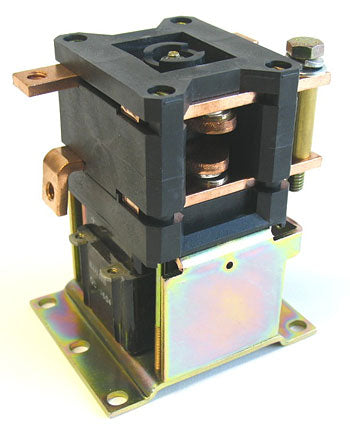
Contactor 24V, Forward for Electric Lift Truck - Fits GE, Yale
GE A702BE305X0-1
Guaranteed Fit. Check fit with us before you buy. If we confirm it fits your machine and it doesn’t, we’ll exchange or refund it: no restocking fee, return shipping on us. How it works
Not sure it fits? Send us your make, model and serial number and we’ll check it before you buy.
Couldn't load pickup availability
- Expert support & fitment help
- 30-day returns
- Fast Shipping
Compatibility
|
Make |
|
|---|---|
|
Model |
- |
Visit our diagram page for part references to popular models
Product Description
CONTACTOR 24V, FORWARD
Specifications
Part Numbers & Compatibility
| Make | GE, Yale, Hyster |
Frequently Asked Questions
Q: Which lift truck models is the GE A702BE305X0-1 compatible with?
A: Verify compatibility with your specific equipment model before ordering.
Q: What materials is the GE A702BE305X0-1 made from?
A: The GE A702BE305X0-1 is constructed from durable materials designed for long-term use in electric lift truck applications. It features components that resist wear and corrosion under normal operating conditions.
Q: How do I know when to replace the GE A702BE305X0-1?
A: Replace the GE A702BE305X0-1 if you notice signs of failure such as no response when engaging forward motion, audible chattering, a burning smell near the electrical enclosure, or visible pitting on internal contacts.
Q: Can the GE A702BE305X0-1 be used for reverse applications?
A: No, the GE A702BE305X0-1 is designed specifically for forward motor control. It should not be used in reverse-only applications or as a general-purpose contactor.
Q: What should I do if the GE A702BE305X0-1 is not working properly?
A: If the GE A702BE305X0-1 is not functioning correctly, check for signs of failure such as no response when engaging forward motion or audible chattering. Replace the contactor if it fails to operate reliably.