

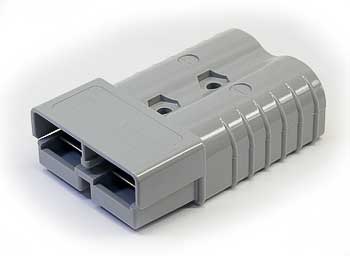
Gray Housing for Allis Chalmers Electric Lift Truck
AC 4912521
Guaranteed Fit. Check fit with us before you buy. If we confirm it fits your machine and it doesn’t, we’ll exchange or refund it: no restocking fee, return shipping on us. How it works
Not sure it fits? Send us your make, model and serial number and we’ll check it before you buy.
Couldn't load pickup availability
- Expert support & fitment help
- 30-day returns
- Fast Shipping
Compatibility
|
Make |
|
|---|---|
|
Model |
- |
Visit our diagram page for part references to popular models
Product Description
GRAY HOUSING (350AMP)
Frequently Asked Questions
Q: What is the amperage rating of the AC 4912521 gray housing?
A: The AC 4912521 is a gray housing connector enclosure rated for 350 amp maximum service. This heavy-duty rating accommodates high-power electrical systems in industrial lift truck applications.
Q: Which electric lift truck models require the 350 amp AC 4912521 housing?
A: The AC 4912521 is designed for lift trucks requiring 350 amp main power connector enclosures. This includes various brands like Crown, Toyota, Raymond, and Allis Chalmers equipment configured for high-amperage electrical systems. Confirm your model and serial number for exact compatibility.
Q: What material and construction does the AC 4912521 use?
A: The AC 4912521 features a gray durable polymer housing designed for heavy industrial use. The construction provides electrical insulation, environmental protection, and mechanical strength necessary for 350 amp contact applications in material handling equipment.
Q: What is the difference between the gray AC 4912521 and blue AC 4912522 housings?
A: Both the AC 4912521 gray and AC 4912522 blue housings are rated for 350 amp service. The primary difference is the color designation, which typically indicates different equipment models or OEM specifications. Verify which color housing your equipment requires before ordering.
Q: How long does the AC 4912521 housing typically last in service?
A: The AC 4912521 housing lifespan depends on operating conditions, duty cycle, and environmental exposure. Under normal industrial conditions, the polymer housing remains durable for many years. Inspection should occur if you observe contact pitting, arcing damage, or melting around the contact surfaces.