

Hydraulic Pump & Cylinder Shaft Seal Kit
GSK 519
Guaranteed Fit. Check fit with us before you buy. If we confirm it fits your machine and it doesn’t, we’ll exchange or refund it: no restocking fee, return shipping on us. How it works
Not sure it fits? Send us your make, model and serial number and we’ll check it before you buy.
Couldn't load pickup availability
- Expert support & fitment help
- 30-day returns
- Fast Shipping
Compatibility
|
Make |
- |
|---|---|
|
Model |
- |
Visit our diagram page for part references to popular models
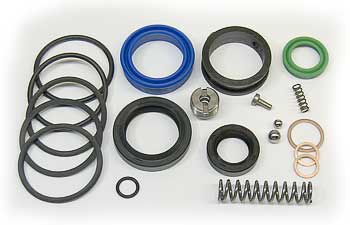
Product Description
GSK 519 is a complete CR seal kit sourced from Liftsplus.com, intended for hydraulic pump and cylinder shaft sealing. This kit features a nitrile rubber (NBR) double lip axial shaft seal with spring-loaded lip, designed for compatibility with standard hydraulic fluids, dynamic misalignment, and a temperature range from -40°C to +100°C. The kit is manufactured to ISO 6194 and DIN 3760 standards. No cross-reference part numbers are currently available.
Specifications
Part Numbers
| Manufacturer Part Number | GSK 519 |
| OEM Part Number | GSK 519 |
Frequently Asked Questions
Q: What is the GSK 519 designed to seal?
A: The GSK 519 is a complete CR seal kit designed for hydraulic pump and cylinder shaft sealing in material handling equipment. It features a nitrile rubber double lip axial shaft seal with a spring-loaded lip for dynamic sealing.
Q: What material is used in the GSK 519 shaft seal?
A: The GSK 519 contains nitrile rubber (NBR) as the seal material. The double lip design with spring-loaded lip provides reliable sealing for rotating shafts in hydraulic systems.
Q: What is the operating temperature range for the GSK 519?
A: The GSK 519 is rated for a temperature range from -40 degrees Celsius to +100 degrees Celsius. This range accommodates both cold storage and heated hydraulic system environments.
Q: What standards does the GSK 519 comply with?
A: The GSK 519 is manufactured to ISO 6194 and DIN 3760 standards for shaft sealing. These standards ensure compatibility with standard hydraulic fluids and dynamic misalignment conditions.
Q: Are there cross-reference part numbers for the GSK 519?
A: No cross-reference part numbers are currently available for the GSK 519. Use the exact part number GSK 519 when ordering this CR seal kit.
Q: Is the GSK 519 compatible with standard hydraulic fluids?
A: Yes. The GSK 519 is designed for compatibility with standard hydraulic fluids used in pump and cylinder sealing applications. The nitrile rubber material and seal design support reliable performance across typical hydraulic systems.