

Hydraulic Seal Kit for 2-INCH Bore, 1.25-INCH Rod Diameter
GSK 520
Couldn't load pickup availability
- Expert support & fitment help
- 30-day returns
- Fast Shipping
Compatibility
|
Make |
- |
|---|---|
|
Model |
- |
Visit our diagram page for part references to popular models
Product Description
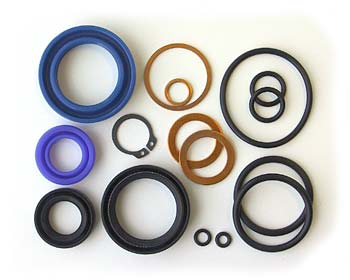
Hydraulic seal kit designed for 2-inch bore and 1.25-inch rod diameter, compatible with hydraulic lift cylinders operating up to 3000 PSI. Manufactured from polyurethane and nitrile rubber, includes PTFE back-up ring, suitable for continuous duty cycles. OEM part number GSK 520, brand Liftsplus.com. No cross-reference numbers available.
Specifications
Hydraulic
| System Pressure Rating | Rated for hydraulic systems up to 3000 PSI |
Material & Construction
| Back-Up Ring Material | PTFE (polytetrafluoroethylene) |
Part Numbers
| OEM Part Number | GSK 520 |
Frequently Asked Questions
Q: What are the bore and rod diameter specifications for the GSK 520?
A: The GSK 520 is designed for a 2-inch bore diameter with a 1.25-inch rod diameter. This seal kit fits hydraulic lift cylinders with these dimensional specifications.
Q: What pressure rating does the GSK 520 support?
A: The GSK 520 is rated for hydraulic systems up to 3000 PSI maximum system pressure and is suitable for continuous duty cycle applications.
Q: What materials are used in the GSK 520 seal kit?
A: The GSK 520 is manufactured from polyurethane and nitrile rubber seals. It includes a PTFE (polytetrafluoroethylene) back-up ring, providing durability in high-pressure continuous-duty hydraulic applications.
Q: Which pallet jack models are compatible with the GSK 520?
A: The GSK 520 is compatible with manual and electric pallet jacks from Crown, Toyota, Raymond, Yale, Hyster, and similar brands that use 2-inch bore hydraulic cylinders. Verify bore and rod dimensions match your equipment before ordering.
Q: What is the expected service life of the GSK 520 seals?
A: The GSK 520 is engineered for continuous duty cycles in standard material handling applications. Actual service life depends on hydraulic fluid cleanliness, operating temperature, and system pressure consistency.