

Steel Load Wheel Assembly for Casters for Carts
GW 548-S-A
Couldn't load pickup availability
- Expert support & fitment help
- 30-day returns
- Fast Shipping
Compatibility
|
Make |
- |
|---|---|
|
Model |
- |
Visit our diagram page for part references to popular models
Product Description
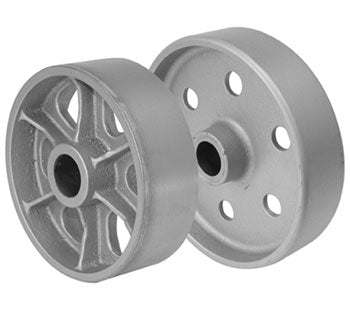
The Steel Load Wheel Assembly is designed for heavy-duty applications, providing reliable support and movement for various machinery and equipment. Its robust construction ensures durability and long-lasting performance.
Specifications: 4.000 inch diameter x 2.000 inch width (4.000" x 2.000" | 4 x 2 wheel | 4 x 2 | 101.60mm x 50.80mm) | Bearing ID: 0.75in (19.05mm inch bore | 0.7500in ID)
• Made from high-quality steel for enhanced strength
• Ideal for industrial and commercial use
• Smooth rolling action for efficient operation
This load wheel assembly is compatible with a wide range of equipment, making it an essential component for your operational needs.
Frequently Asked Questions
Q: What is the material composition of the GW 548-S-A steel load wheel?
A: The GW 548-S-A is a steel load wheel assembly with a 4.000-inch diameter and 2.000-inch width (101.60mm x 50.80mm). The tread is solid steel, not polyurethane, designed for heavy-duty industrial applications requiring maximum durability.
Q: How does the GW 548-S-A compare to the polyurethane GW 548-A wheel?
A: The GW 548-S-A is all-steel versus polyurethane-tread on the GW 548-A. Steel wheels last significantly longer (5+ years) but require floor maintenance, provide less grip on smooth concrete, and can damage wooden pallet feet. Use steel wheels for rough outdoor surfaces and dry warehouse floors.
Q: What bearing bore size does the GW 548-S-A have?
A: The GW 548-S-A has a 0.75-inch (19.05mm) bearing bore ID, matching the polyurethane GW 548-A. Both wheels are cross-compatible on the same shaft, but do not mix steel and polyurethane wheels on the same jack.
Q: Can I replace polyurethane wheels with steel GW 548-S-A wheels on my electric pallet jack?
A: Yes, if the jack bearing bore is 0.75 inches and the equipment is designed for heavy industrial use. Steel wheels require hard, level concrete floors and will damage wooden pallets and soft floor coverings. Do not use steel wheels in environments where your original equipment came with polyurethane wheels.
Q: How often should steel load wheels be inspected and maintained?
A: Inspect steel wheels monthly for corrosion, cracks, and bearing noise. Apply a light machine oil to bearing seals quarterly to prevent rust. Steel wheels do not wear like polyurethane, but rust and bearing degradation will eventually require replacement. Replace bearings every 3-5 years depending on use.
Q: What floor surfaces are unsuitable for the GW 548-S-A steel wheel assembly?
A: Do not use steel wheels on wooden floors, plastic warehouse flooring, or soft epoxy coatings, as they will cause permanent damage. Avoid wet or oily surfaces where steel wheels may slip. Steel wheels are rated for rough outdoor concrete, asphalt, and hard industrial surfaces only.