

Nylon Load Wheel Kit for Bt Lhm 230 Pallet Jacks
GWK-LHM-LW-N
Couldn't load pickup availability
- Expert support & fitment help
- 30-day returns
- Fast Shipping
Compatibility
|
Make |
|
|---|---|
|
Model |
|
Visit our diagram page for part references to popular models
Product Description
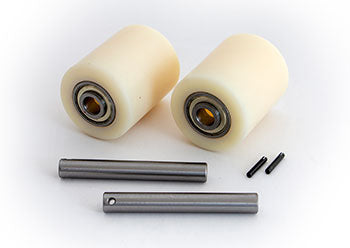
GWK-LHM-LW-N load wheel kit replacement assembly for BT LHM 230 series manual pallet jacks featuring durable nylon wheels with sealed bearings, heat-treated axles, and locking hardware for professional material handling equipment maintenance.
Compatibility: Fits pallet jacks made by BT, model LHM 230. Alternate model: LHM230. SKU: GWK-LHM-LW-N
Specifications
Material
| Wheel Material | Nylon |
| Fastener Hardware | Lock nuts with prevailing torque feature |
Part Numbers
| Compatible Equipment Model | BT LHM 230 manual pallet jack |
| Related Compatible Models | BT L-2000-U, BT L-2300-U series |
Frequently Asked Questions
Q: What does the N suffix in GWK-LHM-LW-N indicate?
A: The N suffix denotes the nylon wheel material variant of the BT LHM 230 load wheel kit. GWK-LHM-LW-N is supplied with nylon load wheels, while the standard GWK-LHM-LW is supplied with polyurethane wheels. Both kits fit BT LHM 230 jacks; the difference is the wheel material. Nylon offers low rolling resistance and superior resistance to moisture and chemicals, while polyurethane runs quieter and provides gentler floor contact. Choose the variant that best suits your operating environment.
Q: Are GWK-LHM-LW and GWK-LHM-LW-N interchangeable?
A: Yes. Both kits share the same dimensions, sealed bearings, heat-treated axles, and locking hardware, and both fit BT LHM 230 jacks. The only difference is the wheel material: the N variant uses nylon, while the standard kit uses polyurethane. You can switch between the two depending on your application without any modification to the pallet jack.
Q: Does GWK-LHM-LW-N fit BT L-2000-U and L-2300-U series jacks?
A: Yes. GWK-LHM-LW-N is compatible with BT LHM 230 as well as the BT L-2000-U and BT L-2300-U series. Verify your exact model and serial number on the jack nameplate before ordering. If your jack is a different BT model or another manufacturer, cross-reference the part number to confirm compatibility.
Q: When should I choose nylon (GWK-LHM-LW-N) over the polyurethane version?
A: Choose nylon for wet or washdown areas, chemical-exposure environments, cold storage, and smooth floors where low rolling resistance reduces push effort. Nylon does not absorb moisture and resists corrosion. Choose polyurethane (GWK-LHM-LW) for quieter operation, better floor protection, and more cushioning on rougher surfaces. Note that nylon gives a firmer ride and can become more brittle in extreme cold, so allow wheels to acclimate to room temperature before heavy use after cold storage.
Q: What is included in GWK-LHM-LW-N and how do I install it?
A: The kit includes nylon load wheels, sealed bearings, heat-treated axles, and locking hardware. Installation: (1) raise the jack on a lift or secure it with safety blocks; (2) remove the existing fasteners and slide off the old wheel assemblies; (3) inspect axles for corrosion and clean or replace if pitted; (4) slide on the new nylon wheel assemblies; (5) install the locking hardware and torque to the value in the BT LHM 230 service manual (typical axle fasteners on manual pallet jacks run 15 to 30 foot-pounds). Torque snug but do not over-torque, as excessive force can crack nylon. Spin each wheel by hand to confirm free rolling before lowering the jack. The locking hardware resists loosening from vibration during operation.
Q: Is GWK-LHM-LW-N suitable for outdoor or wet environments, and how do I maintain it?
A: Yes. The nylon wheels and heat-treated axles resist corrosion and moisture, making this kit a good choice for jacks used outdoors, near loading docks, or in facilities with regular floor washdown. Rinse wheels with fresh water after exposure to salt or chemicals to extend wheel life. Inspect wheels for surface cracks, chips, or flat spots, and replace both load wheels as a matched pair when either shows significant wear. Sealed bearings require minimal maintenance; if a wheel begins to grind or wobble, the bearing is likely compromised and the wheel assembly should be replaced.