

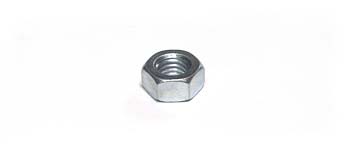
Hex Head Nut for Manual Pallet Jack
1407552
Couldn't load pickup availability
- Expert support & fitment help
- 30-day returns
- Fast Shipping
Compatibility
|
Make |
- |
|---|---|
|
Model |
- |
Visit our diagram page for part references to popular models
Product Description
HEX HEAD NUT
Specifications
Product Overview
| Product Type | Hex Head Nut |
Physical Specifications
| Material | Carbon Steel |
| Common Finishes | Zinc-plated, Nickel-plated, or Bare Steel |
| Thread Types | Metric and Standard (UNC/UNF) options available |
| Compatibility | Cross-brand fastener for multiple manufacturers |
Compatibility
| Applications | Manual pallet jacks, hand pallet trucks, material handling equipment |
Frequently Asked Questions
Q: What specifications does hex head nut SKU 1407552 have?
A: SKU 1407552 is a hex head nut for manual pallet jack applications. Specific dimensions and thread size vary by equipment model. Verify the thread pitch and size with your equipment manufacturer before ordering to ensure proper fitment.
Q: What equipment types is this hex head nut compatible with?
A: This hex head nut is designed for manual pallet jack applications and may be compatible with various manufacturers including Crown, Toyota, Raymond, Yale, and other material handling brands. Confirm the exact thread specification and size for your pallet jack model.
Q: What material grade is this hex head nut manufactured from?
A: Hex head nuts for material handling equipment are typically manufactured from carbon steel. The exact grade specification depends on load requirements and equipment design. Verify material grade and finish coating with your parts reference documentation.
Q: How do I determine if this hex head nut is the correct replacement part?
A: Match the thread size, thread pitch, and overall dimensions against the original nut removed from your pallet jack. Measure or reference your equipment manual to confirm the exact metric or standard size required before ordering SKU 1407552.
Q: What is the typical lifespan of a hex head nut on material handling equipment?
A: Hex head nuts typically last the life of the equipment if properly secured. Replace a nut if threads become stripped, the nut loosens repeatedly, or the bolt head becomes damaged. Inspect fasteners periodically to catch loosening before it causes component failure.