

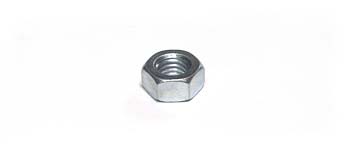
Hex Head Nut for Manual Pallet Jack
220000974
Couldn't load pickup availability
- Expert support & fitment help
- 30-day returns
- Fast Shipping
Compatibility
|
Make |
- |
|---|---|
|
Model |
- |
Visit our diagram page for part references to popular models
Product Description
HEX HEAD NUT
Specifications
Product Overview
| Product Type | Hex Head Nut |
Physical Specifications
| Material | Carbon Steel |
| Finish | Zinc-Plated |
| Common Sizes Available | M8, M10, M12 metric or 5/16", 3/8", 1/2" SAE |
| Corrosion Resistance | Zinc plating for warehouse and outdoor use |
| Thread Type | Standard metric or SAE |
| Hardness | Hardened steel for load resistance |
Compatibility
| Application | Manual Pallet Jacks - Wheel Assemblies, Pivot Points, Handle Assemblies, Frame Connections |
Frequently Asked Questions
Q: What is a hex head nut and what is its purpose on manual pallet jacks?
A: A hex head nut is a six-sided fastener that screws onto bolts or studs to secure components together. On manual pallet jacks, hex head nuts secure wheel axles, pivot points, handle assemblies, and structural frame connections.
Q: What size is part 220000974 and what bolt diameter does it fit?
A: Verify the thread size and pitch specification for part 220000974 against your manual pallet jack assembly drawings. Common sizes are M8, M10, and M12 metric or 5/16-inch, 3/8-inch, and 1/2-inch SAE. Matching bolt and nut sizes is critical for proper fit and safety.
Q: What material is this hex head nut made from?
A: Part 220000974 is typically made from hardened steel with zinc plating for corrosion resistance, making it suitable for warehouse and outdoor environments. The steel provides the strength needed to resist loosening under repeated load cycles.
Q: Can a damaged or stripped hex head nut be reused?
A: A damaged nut with stripped internal threads cannot provide a secure hold and must be replaced. A corroded or deformed nut should also be replaced with a new unit like part 220000974. Using a compromised fastener creates safety risks and equipment instability.
Q: How do I know if a hex head nut needs replacement?
A: Replace the nut if you observe visible corrosion, thread damage, inability to tighten or hold a bolt, loose connections that repeatedly loosen, or if the nut spins freely without gripping the bolt. Regular visual inspection during maintenance catches loose or failing fasteners early.