

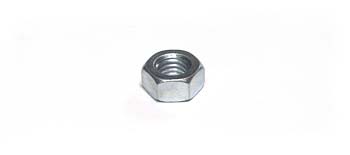
Hex Head Nut for Manual Pallet Jack
25300030
Couldn't load pickup availability
- Expert support & fitment help
- 30-day returns
- Fast Shipping
Compatibility
|
Make |
- |
|---|---|
|
Model |
- |
Visit our diagram page for part references to popular models
Product Description
HEX HEAD NUT
Specifications
Product Overview
| Product Type | Hex Head Nut |
Physical Specifications
| Material | Steel |
| Typical Grade | SAE Grade 8 or Metric Equivalent |
| Finish | Zinc-Plated or Bare Steel |
| Thread Range | M8 to M20 (varies by application) |
| Corrosion Resistance | Zinc-plated finish for protection in outdoor/wet environments |
Compatibility
| Applications | Wheel assemblies, handle connections, load platform attachments |
Frequently Asked Questions
Q: What is the thread size and grade of the hex head nut 25300030?
A: Contact us with the assembly or jack model you are servicing. Hex head nut thread sizes and grades vary widely in manual pallet jack applications, ranging from M8 to M20 with grade specifications (typically SAE Grade 8 or metric equivalent). Providing your equipment details ensures we confirm the exact specifications.
Q: What material is the 25300030 hex head nut made from?
A: Manual pallet jack hex head nuts are typically made from steel, either mild steel or alloy steel depending on the load and duty rating. Finish may be zinc-plated for corrosion resistance or bare steel. Material grade must match the bolt it fastens to maintain load capacity.
Q: Which manual pallet jack brands and models use hex head nut 25300030?
A: The 25300030 fits standard manual pallet jacks from Crown, Toyota, Raymond, and other major manufacturers. This is a common fastener part that may be used on wheel assemblies, handle connections, or load platform attachments. Confirm the exact assembly location and thread specification before ordering.
Q: What is the torque specification for the 25300030 hex head nut?
A: Torque specifications vary by thread size and bolt grade. Provide your jack model and assembly location, and we can confirm the correct torque value. Over-tightening or under-tightening can cause assembly failure or unsafe conditions.
Q: How often does a hex head nut need replacement?
A: Hex head nuts do not normally require replacement unless they become stripped, corroded, or damaged during disassembly. High-vibration environments or frequent assembly and disassembly may shorten lifespan. Replace if the bolt cannot be tightened securely or if threads are damaged.