

24VDC Electric Horn for Lift Trucks - OEM
32044400
Couldn't load pickup availability
- Expert support & fitment help
- 30-day returns
- Fast Shipping
Compatibility
|
Make |
- |
|---|---|
|
Model |
- |
Visit our diagram page for part references to popular models
Product Description
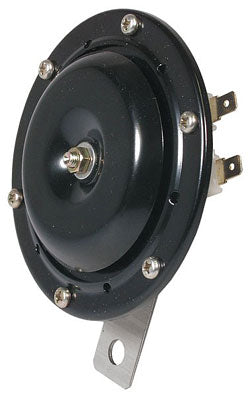
24VDC electric horn for lift trucks; direct actuation type; 100 dB(A) sound level; dual terminal; flange mount; compatible with generic electric lift truck assemblies. OEM part 32044400. No confirmed cross-reference part numbers.
Specifications
Electrical
| Rated Voltage | 24VDC nominal |
| Operating Voltage Range | 24VDC ±10% |
| Current Consumption | 3.0A maximum |
| Sound Pressure Level | 100 dB(A) at 1 meter |
Material & Construction
| Diaphragm Material | Bakelite resin, reinforced |
| Sealing | IP54 rated for dust and splash protection |
Part Numbers
| OEM Part Number | 32044400 |
Performance
| Duty Cycle | Intermittent, 50 cycles/hour at rated voltage |
| Service Life | Minimum 100,000 actuations at nominal voltage |
Frequently Asked Questions
Q: What is the rated voltage and sound output of the 32044400 electric horn?
A: The 32044400 is a 24VDC horn rated for nominal 24VDC operation with operating range of 24VDC ±10 percent. It produces 100 dB(A) sound level at 1 meter with direct actuation.
Q: What is the maximum current draw for the 32044400?
A: The 32044400 draws a maximum of 3.0A under full operating conditions. Size your electrical circuit and wiring accordingly to handle this current requirement.
Q: What mounting configuration does the 32044400 use?
A: The 32044400 features a flange mount design with dual terminal connections for integration into electric lift truck assemblies. Confirm mounting hole diameter and terminal configuration match your equipment.
Q: What is the duty cycle and expected service life for the 32044400?
A: The 32044400 is rated for intermittent duty at 50 cycles per hour at rated voltage. Diaphragm material is reinforced bakelite resin. Avoid continuous operation beyond rated cycle rates to extend diaphragm life.
Q: Will the 32044400 horn work in cold storage environments?
A: The 32044400 is designed for standard lift truck environments. In cold storage, verify that 24VDC supply remains stable and that diaphragm material does not become brittle from sustained low temperatures.