

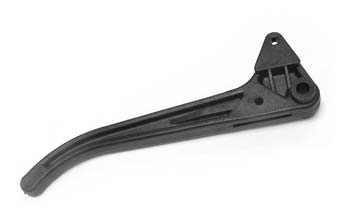
Control Lever for Pallet Jacks
L0128000
Guaranteed Fit. Check fit with us before you buy. If we confirm it fits your machine and it doesn’t, we’ll exchange or refund it: no restocking fee, return shipping on us. How it works
Not sure it fits? Send us your make, model and serial number and we’ll check it before you buy.
Couldn't load pickup availability
- Expert support & fitment help
- 30-day returns
- Fast Shipping
Compatibility
|
Make |
- |
|---|---|
|
Model |
- |
Visit our diagram page for part references to popular models
Product Description
Control lever
Frequently Asked Questions
Q: What is the L0128000 and which manual pallet jacks use it?
A: The L0128000 is a control lever used on manual pallet jacks. It is compatible with multiple manual pallet jack models from manufacturers such as Crown, Yale, Raymond, and similar brands. Verify your pallet jack model number and serial range to confirm compatibility before ordering.
Q: What is the function of the control lever on a manual pallet jack?
A: The control lever (L0128000) is the operator interface that controls hydraulic fluid flow within the manual pallet jack. Moving the lever engages the hydraulic pump mechanism, allowing the operator to raise and lower the load platform. The lever position determines the rate and direction of load movement.
Q: What materials is the L0128000 control lever made from?
A: The L0128000 control lever is manufactured from steel or aluminum alloy, providing durability and resistance to corrosion. The lever is designed to withstand repeated operational stress and maintains structural integrity under typical warehouse and logistics operating conditions.
Q: Does the L0128000 control lever require lubrication or maintenance?
A: The L0128000 control lever itself requires minimal maintenance. Periodically wipe the lever clean of dust and debris. The lever pivot point and connections to the hydraulic control system may require periodic greasing as part of routine pallet jack maintenance, but the lever itself is maintenance-free under normal use.
Q: What symptoms indicate that the L0128000 control lever needs replacement?
A: Replace the L0128000 if the lever becomes loose or wobbles at the pivot point, does not return to neutral position after operation, cracks or breaks, or if hydraulic fluid leaks from the lever connection point. A faulty control lever prevents proper load control and creates a safety hazard.