

Polyurethane Tandem Load Roller for Lift-Rite Manual Pallet Jack - Fits Lift-Rite, Big Joe
LF PT 30213P
Couldn't load pickup availability
- Expert support & fitment help
- 30-day returns
- Fast Shipping
Compatibility
|
Make |
|
|---|---|
|
Model |
|
Visit our diagram page for part references to popular models
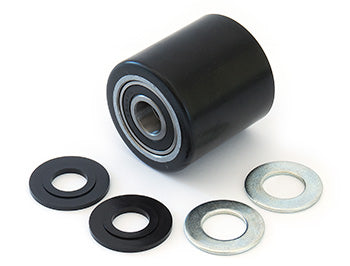
Product Description
Polyurethane tandem load roller, part number LF PT 30213P, is a replacement manual pallet jack part for Lift-Rite and Big Joe models L50, L50M, L50M-4WAY, L50MU, L50MU-4way, and LR2055. The roller features polyurethane on steel construction for manual pallet jack applications in warehouse and industrial material handling environments.
Specifications
Material & Construction
| Material | Polyurethane on Steel |
Part Numbers & Compatibility
| Make | Lift-Rite, Big Joe |
| Model | L50, L50M, L50M-4WAY, L50MU, L50MU-4way, LR2055 |
| Manufacturer Part Number | PT-30213P |
| Compatible Equipment | Lift-Rite heavy-duty manual pallet jacks |
Performance Specifications
| Load Rating | Suitable for capacity pallet jacks |
Additional Specifications
| Roller Material | Polyurethane with steel core construction |
| Tread Type | Polyurethane bonded to steel core |
| Product Type | Tandem load roller assembly |
Frequently Asked Questions
Q: What equipment does the LF PT 30213P polyurethane tandem load roller fit?
A: The LF PT 30213P is designed for Lift-Rite and Big Joe manual pallet jacks, including models L50, L50M, L50M-4WAY, L50MU, L50MU-4way, and LR2055.
Q: What material is the LF PT 30213P tandem roller made from?
A: The LF PT 30213P features polyurethane on a steel construction for manual pallet jack use.
Q: How does the LF PT 30213P compare to steel or nylon roller variants?
A: The LF PT 30213P polyurethane variant provides a balance of durability compared to steel rollers and offers better floor protection than nylon for heavy-duty equipment.
Q: What maintenance is recommended for the LF PT 30213P load roller?
A: Regularly inspect the polyurethane tread for wear or visible damage. Keep the roller free from debris and ensure it rotates freely. Replacement is recommended when the tread is significantly worn or visibly torn to help maintain safe equipment operation and proper load distribution.
Q: When should the LF PT 30213P be replaced?
A: Replacement guidance depends on usage frequency, load patterns, and floor conditions. Inspect the polyurethane roller regularly and replace it when wear or visible damage becomes apparent.