

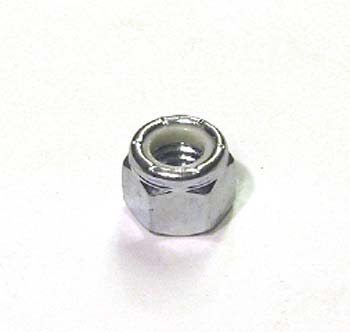
Nut for Lift-Rite L-50
LF 10223
Couldn't load pickup availability
- Expert support & fitment help
- 30-day returns
- Fast Shipping
Compatibility
|
Make |
|
|---|---|
|
Model |
|
Visit our diagram page for part references to popular models
Product Description
Lift-Rite Nut for older style manual pallet jacks
Compatibility: Fits pallet jacks made by Lift-Rite, model L-50. Alternate model: L50; L 50. SKU: LF 10223
Specifications
Part Numbers
| Cross-Reference Part Numbers | LR 10223, LiftRite 10223, 10223 |
| OEM Part Number | LF 10223 |
Frequently Asked Questions
Q: Which Lift-Rite models use the LF 10223 nut?
A: The LF 10223 is a nut for older style Lift-Rite manual pallet jacks, specifically designed for the L-50 and L50 model series. It is part of vintage frame and roller assembly configurations.
Q: What are the cross-reference numbers for the LF 10223?
A: Cross-references include LR 10223, LiftRite 10223, and 10223. These part numbers are interchangeable for ordering purposes across Lift-Rite and compatible parts systems.
Q: Is the LF 10223 nut compatible with modern Lift-Rite L-50 models?
A: The LF 10223 is designated for older style assemblies. Modern L-50 variants may use updated nut designs with different thread sizes or locking mechanisms. Confirm your jack age and frame specification before ordering.
Q: What size and thread pitch should I verify for the LF 10223?
A: Older style nuts vary in diameter and thread pitch. The LF 10223 is designed for specific bolt applications on L-50 frame assemblies. Check the fastener location on your jack and compare the existing nut size before ordering to ensure correct fitment.
Q: Can the LF 10223 be used for fastener replacement only, or must I replace the matching bolt too?
A: The LF 10223 nut must be paired with the corresponding bolt for your frame assembly. If the bolt is worn or damaged, replace both components together. Mismatched thread sizes can cause loose or failed assemblies.