

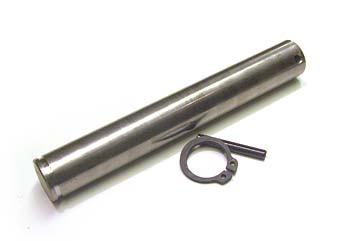
Load Wheel Axle for Manual Pallet Jacks
GW 232
Guaranteed Fit. Check fit with us before you buy. If we confirm it fits your machine and it doesn’t, we’ll exchange or refund it: no restocking fee, return shipping on us. How it works
Not sure it fits? Send us your make, model and serial number and we’ll check it before you buy.
Couldn't load pickup availability
- Expert support & fitment help
- 30-day returns
- Fast Shipping
Compatibility
|
Make |
- |
|---|---|
|
Model |
|
Visit our diagram page for part references to popular models
Product Description
GW 232 by Liftsplus.com is a precision-machined load wheel axle designed for manual pallet jack fork ends, constructed from heat-treated carbon steel with industry-standard retaining features. Compatible with manual pallet trucks accepting 16 mm bore load wheel assemblies; supersedes GW231 and cross-references as GP 232.
Specifications
Part Numbers
| Manufacturer Part Number | GW 232 |
| OEM Part Number | GW232 |
| Cross-Reference Part Numbers | GP 232, GP232 |
| Replaces/Supersedes | Supersedes GW231, replaces older part variants GP 231 |
Frequently Asked Questions
Q: Is GW 232 a direct replacement for GW 231, and what about cross-references?
A: GW 232 supersedes GW 231 as a direct replacement. It also cross-references as GP 232 or GP232. All three part numbers are equivalent and will fit the same 16 mm bore load wheel assemblies on manual pallet jacks. Always verify your jack model accepts 16 mm bore axles before ordering, as some older or specialty units may use different bore sizes.
Q: What manual pallet jack models are compatible with GW 232?
A: GW 232 fits any manual pallet truck with load wheel assemblies designed for 16 mm bore axles. Most standard manual pallet jacks from mainstream manufacturers (Yale, Hyster, Crown, Toyota) in the 2.5-5.5 ton capacity range use 16 mm bore forks. Check your equipment documentation or measure the existing axle bore diameter before purchase. If your jack currently runs GW 231, GW 232 will install without modification.
Q: How do I know if my load wheel axle is failing and needs replacement?
A: Watch for lateral play or wobble in the load wheels when jacked up under no load. Listen for grinding or squealing noise during operation. Check for visible cracks, bending, or corrosion on the axle shaft. If wheels drag heavily or do not spin freely by hand, the axle bore or retaining features may be damaged. Heat-treated carbon steel axles like GW 232 can crack under shock load or if improperly installed. Replace immediately if any of these symptoms appear, as a failed axle can cause load drop or operator injury.
Q: What tools and steps are required to install GW 232?
A: You will need a rubber mallet, snap ring pliers or a screwdriver, and possibly a bearing puller if wheels do not separate easily. First, support the load wheels off the ground. Remove the retaining snap ring or pin from one end of the old axle using snap ring pliers. Tap the old axle out with a mallet. Clean the bore with a cloth to remove debris. Slide the new GW 232 axle into the bore and reinstall the retaining snap ring, ensuring it seats fully in the groove. Verify wheels spin freely. No welding or bore modification is needed if you are replacing an existing 16 mm axle.
Q: What is the load capacity and operating limit of GW 232?
A: GW 232 load capacity depends on your pallet jack model and rated tonnage, not the axle alone. A pair of GW 232 axles (one per load wheel) typically supports manual jacks rated 2.5 to 5.5 tons. Do not exceed your equipment manufacturer rated load. The heat-treated carbon steel construction resists bending and cracking under normal operation, but shock loads from dropping pallets or climbing curbs will shorten service life. Always perform visual inspection quarterly.
Q: How long does GW 232 typically last, and is maintenance required?
A: GW 232 axles should last 3-5 years in normal warehouse use, or longer if load wheels and bearings are in good condition. No ongoing maintenance is required beyond periodic cleaning. If your load wheels are worn or misaligned, they will wear the GW 232 axle faster. Check retaining snap rings annually for loosening and verify no visible corrosion is present. Heat-treated steel resists rust better than plain carbon steel, but exposure to moisture or salt air shortens lifespan. Store jacks in a dry area when not in use.