

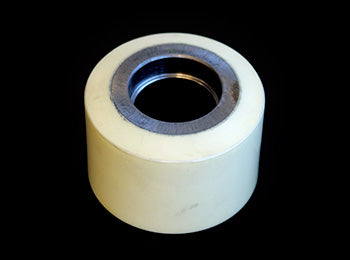
Toyota Electric Lift Truck Polyurethane Load Wheel 4.00X2.88 in XL
TO 00590-04885-81-XL
Couldn't load pickup availability
- Expert support & fitment help
- 30-day returns
- Fast Shipping
Compatibility
|
Make |
|
|---|---|
|
Model |
|
Visit our diagram page for part references to popular models
Product Description
Polyurethane load wheel replacement for Toyota electric lift trucks, including the Toyota 7HBW30 model. Made from 97A polyurethane, this wheel is designed for reliable performance and durability in material handling environments.
Specifications
Material & Construction
| Material | Polyurethane 97A |
| Durometer | 97A Shore |
Part Numbers & Compatibility
| Make | Toyota |
| Model | 7HBW30 |
| Manufacturer Part Number | TO 00590-04885-81-XL |
| Application | High-cycle warehouse duty |
| Part Number | TO 00590-04885-81-XL |
Wheel Dimensions
| Outside Diameter | 4.00 in |
| Width | 2.88 in |
Frequently Asked Questions
Q: What Toyota lift truck models is this load wheel compatible with?
A: This load wheel is compatible with Toyota 7HBW30 electric lift trucks. Confirm your equipment documentation and part number before ordering.
Q: What material is this load wheel made from?
A: This load wheel is made from 97A polyurethane, providing wear resistance, traction, and durability for material handling applications.
Q: How long can I expect this load wheel to last under normal conditions?
A: Under standard warehouse duty, the 97A polyurethane load wheel typically provides 18-24 months of service life. Actual lifespan depends on operating conditions and maintenance.
Q: What are the key benefits of using this load wheel?
A: This load wheel offers wear resistance, traction, and durability for high-cycle warehouse operations and demanding material handling environments.
Q: Is this wheel suitable for cold storage or wet floor applications?
A: The 97A polyurethane material provides durability for cold storage and wet conditions. Lower temperatures may slightly reduce traction, so verify material suitability for extreme environments.
Q: When should I replace this load wheel?
A: Replace the load wheel when wear or damage affects performance. Confirm compatibility with the Toyota 7HBW30 model and the part number before ordering a replacement.