

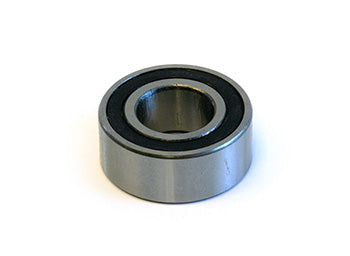
Product Description
MAST BEARING
Specifications
Product Overview
| Part Number | 3051193 |
| Product Type | Mast Bearing Assembly |
Physical Specifications
| Function | Supports mast column during lift/lower cycles; carries vertical and lateral load |
| Compatibility | Nichiyu forklift models FB10P, FB14P, FB15P, FB18P; verify specific model before purchase |
| Condition | New, Direct Replacement |
| Material/Finish | Steel bearing assembly |
Compatibility
| Application | Electric Lift Trucks, Electric Forklifts, Mast Support |
| Equipment Category | Electric Lift Truck |
Frequently Asked Questions
Q: What is the 3051193 mast bearing used for on pallet jacks?
A: The 3051193 is a mast bearing assembly that supports the mast column on manual pallet jacks. It carries the vertical load of the fork assembly and cargo as the mast raises and lowers. Mast bearings experience direct pressure from the lifted load and require proper alignment and support.
Q: Which pallet jack brands use the 3051193?
A: The 3051193 fits manual pallet jacks from Crown, Toyota, Raymond, Yale, and similar manufacturers. Verify your equipment model and serial number against the bearing specifications to confirm compatibility before ordering.
Q: Why is proper mast bearing maintenance critical?
A: The mast bearing supports full load during lifting and lowering. Worn or damaged mast bearings cause binding, uneven lift, noise, or sudden failure under load. A failed mast bearing can cause the load to drop or prevent the mast from raising. Inspect mast bearings regularly for play, noise, or stiffness.
Q: What symptoms indicate the 3051193 mast bearing is failing?
A: Watch for grinding noise, squeaking, resistance when lifting, lateral play in the mast column, or uneven height on one side. If the mast does not lower smoothly or if the jack tilts during lift, the mast bearing may be worn or contaminated. Stop operation and inspect or replace the bearing.
Q: How often should the 3051193 mast bearing be inspected?
A: Inspect mast bearings at regular preventive maintenance intervals, typically every 6 to 12 months depending on usage frequency. High-cycle operations warrant more frequent inspection. Check for play, noise, and smooth rotation. Lubrication status and seal condition should also be verified.

