

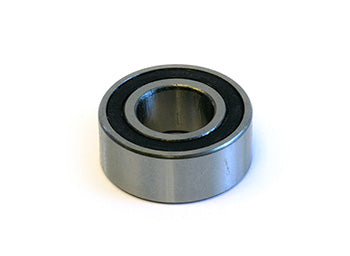
Mast Bearing for Pallet Jack
4051212
Guaranteed Fit. Check fit with us before you buy. If we confirm it fits your machine and it doesn’t, we’ll exchange or refund it: no restocking fee, return shipping on us. How it works
Not sure it fits? Send us your make, model and serial number and we’ll check it before you buy.
Couldn't load pickup availability
- Expert support & fitment help
- 30-day returns
- Fast Shipping
Compatibility
|
Make |
- |
|---|---|
|
Model |
- |
Visit our diagram page for part references to popular models
Product Description
MAST BEARING
Frequently Asked Questions
Q: What is the mast bearing and where is it located?
A: The mast bearing supports the vertical mast column and allows it to tilt forward and backward during fork raising and lowering. It carries the combined weight of the mast, forks, and lifted load while enabling smooth tilt motion.
Q: Which pallet jack models use SKU 4051212?
A: This mast bearing fits manual and low-lift electric pallet jacks from Crown, Toyota, Raymond, and Yale. Confirm your equipment model and serial number match the compatibility specifications before ordering.
Q: What are the bearing dimensions and load rating?
A: Verify the bore diameter, outside diameter, and width against your original bearing specification. The load rating must match your pallet jack capacity and mast height. Incorrect dimensions cause poor fitment and premature failure.
Q: What are signs of a failing mast bearing?
A: A worn mast bearing produces grinding or squealing noise when tilting the mast. You may feel excessive play or wobbling in the mast column, rough tilt motion, or difficulty controlling mast angle during load cycles.
Q: How often should this bearing be replaced?
A: In typical warehouse conditions, mast bearings last 4 to 6 years. High-cycle operations, inadequate lubrication, or wet storage accelerate wear. Replace when tilt motion becomes rough, noisy, or the bearing develops visible radial play.