

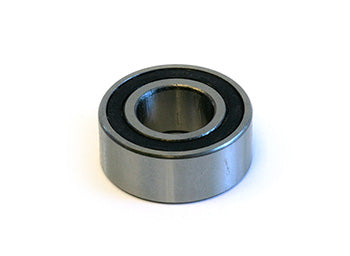
Mast Bearing for Electric Lift Truck
5206
Couldn't load pickup availability
- Expert support & fitment help
- 30-day returns
- Fast Shipping
Compatibility
|
Make |
- |
|---|---|
|
Model |
- |
Reference Diagrams
Visit our diagram page for part references to popular models
Product Description
MAST BEARING
Specifications
Product Overview
| Part Number | 5206 |
| Product Type | Mast Bearing |
Physical Specifications
| Function | Mast rotation and vertical movement bearing surface |
| Bore Diameter | Not available — verify with equipment model and serial number |
| Outer Diameter | Not available — verify with equipment model and serial number |
| Width | Not available — verify with equipment model and serial number |
Compatibility
| Application | Electric Pallet Jacks and Lift Truck Mast Assemblies |
| Compatible Equipment Brands | Crown, Toyota, Raymond, Yale, Hyster, Linde, Jungheinrich, Clark |
Frequently Asked Questions
Q: What is the 5206 mast bearing used for?
A: The 5206 is a mast bearing designed for electric pallet jack and lift truck mast assemblies. It provides a bearing surface for mast rotation and vertical movement. Verify the specific equipment model and serial range for compatibility.
Q: Which lift truck brands use the 5206 mast bearing?
A: The 5206 mast bearing is compatible with electric pallet jacks and lift trucks from manufacturers such as Crown, Toyota, Raymond, Yale, Hyster, Linde, Jungheinrich, and Clark. Confirm your equipment model before ordering.
Q: What is the bore and outer diameter of the 5206 bearing?
A: The 5206 is a standard bearing size in material handling applications. Verify the exact bore diameter, outside diameter, and width for your specific lift truck model before ordering. Contact us with your equipment model and serial number for precise specifications.
Q: How can I determine if the 5206 is the correct bearing for my lift truck?
A: Check your lift truck documentation for the mast bearing part number and specifications. Compare against the 5206 dimensions including bore, outside diameter, and width. Contact us with your lift truck brand, model, and serial number to confirm compatibility.
Q: What symptoms indicate a worn 5206 mast bearing?
A: Worn mast bearings may cause grinding or squeaking noises, excessive mast wobble, difficulty raising or lowering the mast, or visible play between the mast tube and housing. If these symptoms occur, the bearing should be inspected and replaced if wear is excessive.

