

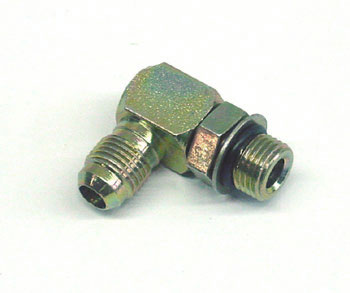
Elbow 90 Degrees
ME EMP2-50
Guaranteed Fit. Check fit with us before you buy. If we confirm it fits your machine and it doesn’t, we’ll exchange or refund it: no restocking fee, return shipping on us. How it works
Not sure it fits? Send us your make, model and serial number and we’ll check it before you buy.
Couldn't load pickup availability
- Expert support & fitment help
- 30-day returns
- Fast Shipping
Compatibility
|
Make |
- |
|---|---|
|
Model |
- |
Visit our diagram page for part references to popular models
Product Description
Elbow 90 degrees
Frequently Asked Questions
Q: What is the ME EMP2-50 elbow 90 degrees used for?
A: The ME EMP2-50 is a 90 degree elbow connector used in hydraulic or pneumatic tubing systems on material handling equipment. It changes flow direction at a right angle between two tubing runs or connection points.
Q: What equipment brands use the ME EMP2-50 elbow connector?
A: The ME EMP2-50 fits hydraulic systems on equipment from Crown, Toyota, Raymond, Yale, Hyster, Linde, Jungheinrich, and other major material handling manufacturers. Verify the connection size and thread type match your equipment specifications.
Q: What are the connection specifications for the ME EMP2-50?
A: Contact us with your equipment model to confirm the exact port size, thread type, and pressure rating of the ME EMP2-50. These specifications ensure proper fit and safe operation in your hydraulic system.
Q: What materials is the ME EMP2-50 elbow made from?
A: The ME EMP2-50 is constructed from metal (typically steel or aluminum) to withstand hydraulic or pneumatic pressure. The material resists corrosion and maintains structural integrity under normal operating conditions.
Q: How long does the ME EMP2-50 elbow typically last in service?
A: The ME EMP2-50 is a passive connector with no moving parts. It functions indefinitely if properly installed and maintained. Replace it only if it develops leaks, corrosion, or damage that affects system integrity.