
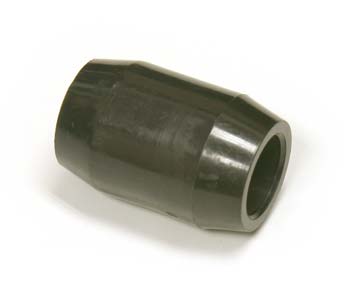
Mighty Lift Exit Roller for ML55 Manual Pallet Jacks
ML B23
Guaranteed Fit. If it doesn’t fit equipment that matches the listing on this page, we’ll exchange or refund it: no restocking fee, return shipping on us. How it works
Not sure it fits? Check it with us before you buy. Once we confirm the fit in writing, it’s guaranteed for your machine.
Couldn't load pickup availability
- Expert support & fitment help
- 30-day returns
- Fast Shipping
Compatibility
|
Make |
|
|---|---|
|
Model |
|
Visit our diagram page for part references to popular models
Product Description
Mighty Lift ML B23 Exit Roller is a replacement component for Mighty Lift ML55 manual pallet jacks. This roller is constructed from hardened steel and supports pallet entry and exit.
Compatibility: Fits pallet jacks made by Mighty Lift, model ML55. Compatible part numbers: ML B23, B23, and MLB23.
Specifications
Material & Construction
| Material | Hardened Steel |
Part Numbers & Compatibility
| Make | Mighty Lift |
| Model | ML55 |
| Manufacturer Part Number | ML B23 |
| Alternate Part Number | B23 |
| Cross-Reference Part Numbers | MLB23, used as B23 in some diagrams |
| Part Number | ML B23 |
| Frame Compatibility | Mighty Lift ML55 (per distributor listings) |
| Compatibility | Compatible with Mighty Lift ML55 Pallet Jack Frame |
Additional Specifications
| Material Composition | Hardened steel with corrosion-resistant surface treatment |
| Function | Exit roller installed at fork tip; guides pallet entry and exit under full rated loads |
Frequently Asked Questions
Q: What model is the ML B23 compatible with?
A: The ML B23 is designed for Mighty Lift ML55 manual pallet jacks. Ensure your equipment matches one of these model for proper fitment.
Q: What material is the ML B23 made from?
A: The ML B23 is constructed from hardened steel, providing a durable replacement roller for compatible manual pallet jacks.
Q: When should I replace the ML B23?
A: Replace the ML B23 if you notice excessive friction, visible damage to the roller surface, rust that prevents rotation, or pallet drag during entry and exit.
Q: What are the alternative part numbers for the ML B23?
A: The ML B23 is also referenced as B23 and MLB23 in parts diagrams. These part numbers are interchangeable when sourcing replacement rollers.