

Nut for Mighty Lift ML55
ML B44
Couldn't load pickup availability
- Expert support & fitment help
- 30-day returns
- Fast Shipping
Compatibility
|
Make |
|
|---|---|
|
Model |
|
Visit our diagram page for part references to popular models
Product Description
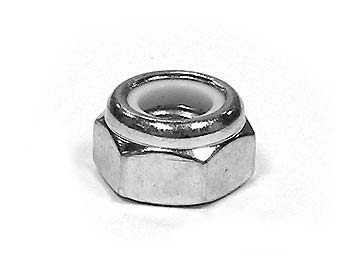
Nut
Compatibility: Fits pallet jacks made by Mighty Lift, model ML55. SKU: ML B44
Frequently Asked Questions
Q: What is the ML B44 and what is its purpose in the pallet jack?
A: The ML B44 is an OEM replacement nut designed for Mighty Lift pallet jack assemblies. It secures fastened components to frame assemblies, linkages, and wheel mechanisms, maintaining assembly integrity under load and vibration.
Q: Which Mighty Lift pallet jack models use the ML B44?
A: The ML B44 is compatible with Mighty Lift model ML55 and other B Series pallet jacks. Verify your equipment model and the specific assembly location where this nut is required before ordering.
Q: What material is the ML B44 constructed from?
A: The ML B44 is manufactured from steel in an uncoated finish. Standard steel is suitable for typical indoor and moderate-use environments. For cold storage or wet floor applications, verify material compatibility with your operating conditions.
Q: Can I use standard nuts instead of the ML B44?
A: No. The ML B44 is engineered to OEM specifications for thread size, pitch, and material grade. Standard hardware may have different thread specifications, leading to incomplete fastening and potential assembly failure. Always use OEM part numbers for critical fasteners.
Q: When should I replace the ML B44?
A: Replace the ML B44 if threads are stripped, if the nut spins freely without gripping the bolt, or if corrosion compromises thread integrity. A damaged nut fails to maintain assembly tightness and increases risk of component misalignment and operational failure.