

ML A307
ML A307
Couldn't load pickup availability
- Expert support & fitment help
- 30-day returns
- Fast Shipping
Compatibility
|
Make |
|
|---|---|
|
Model |
|
Visit our diagram page for part references to popular models
Product Description
Specifications
Description
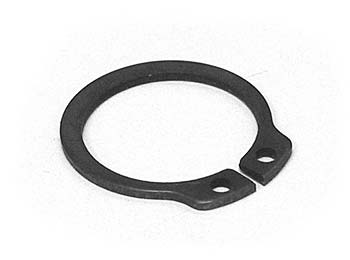
| Product | Locking Ring for hydraulic unit in Mighty Lift ML55-II and ML55L manual pallet jacks |
Part Number
| Direct Replacement Part Number | ML A307 |
Compatibility
| Compatible Models | Mighty Lift ML55-II, ML55L, ML55-II |
Frequently Asked Questions
Q: What does the ML A307 locking ring do?
A: The ML A307 is a locking ring that secures the hydraulic unit assembly in Mighty Lift manual pallet jacks. It prevents the hydraulic cylinder from rotating or shifting under load during normal pallet jack operation.
Q: Which Mighty Lift pallet jack models use the ML A307?
A: The ML A307 fits Mighty Lift model ML55-II and ML55L manual pallet jacks. Alternate model designations include ML55-II, which use the same part.
Q: What are signs of a failing locking ring?
A: A failed or loose locking ring will result in hydraulic unit movement, loss of hydraulic pressure, or inability to raise or lower the load consistently. Visual inspection should show the ring seated firmly with no gaps.
Q: What causes locking ring failure?
A: Locking rings typically fail due to repeated stress cycles, corrosion from moisture and hydraulic fluid exposure, impact damage, or improper seating. Regular inspection helps identify wear before failure.