

Entry Exit Rollers for Manual Pallet Jack
40440
Guaranteed Fit. Check fit with us before you buy. If we confirm it fits your machine and it doesn’t, we’ll exchange or refund it: no restocking fee, return shipping on us. How it works
Not sure it fits? Send us your make, model and serial number and we’ll check it before you buy.
Couldn't load pickup availability
- Expert support & fitment help
- 30-day returns
- Fast Shipping
Compatibility
|
Make |
- |
|---|---|
|
Model |
- |
Visit our diagram page for part references to popular models
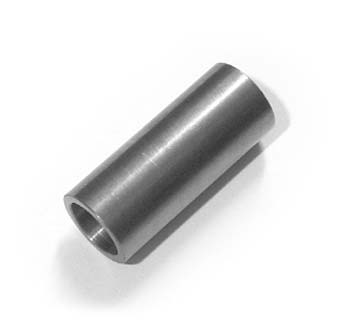
Product Description
MINI EXIT ROLLER
Specifications
Product Overview
| Product Type | Mini Exit Roller / Guide Wheel |
Physical Specifications
| Material | Polyurethane or high-durometer rubber |
| Typical Diameter Range | 30-50mm |
| Typical Width Range | 20-35mm |
| Load Capacity | Dependent on jack model and configuration |
| Wear Indicator | Flat-spotting, cracking, or uneven contact surface |
Compatibility
| Axle Material | Steel |
| Application | Compact and mini manual pallet jacks |
| Compatible Equipment Brands | Crown, Toyota, Raymond, Yale, Hyster, Clark |
Frequently Asked Questions
Q: What is SKU 40440 and what is its function on a manual pallet jack?
A: SKU 40440 is a replacement mini exit roller for manual pallet jacks. Exit rollers are small guide wheels located at the rear or exit point of the jack to ensure smooth, controlled lowering of pallets and to prevent binding or tilting during descent and pallet release.
Q: What manual pallet jack brands and models are compatible with SKU 40440?
A: SKU 40440 is compatible with mini and compact manual pallet jacks from Crown, Toyota, Raymond, Yale, Hyster, Clark, and similar manufacturers. Confirm model and serial number match before ordering to ensure correct fit and function.
Q: What material is the mini exit roller made from?
A: The mini exit roller is typically manufactured from polyurethane or high-durometer rubber mounted on a steel axle. Polyurethane provides excellent wear resistance, low friction, and durability on concrete and tile warehouse floors without marking or damage.
Q: What dimensions should I verify before ordering SKU 40440?
A: Before ordering, verify the roller diameter, width, and axle bore size against your jack documentation. Mini exit rollers vary by jack model. Incorrect dimensions will result in poor fit, inadequate support, and operational problems.
Q: When should the mini exit roller be replaced?
A: Replace the roller if it becomes flat-spotted, cracked, or excessively worn, or if the jack does not lower smoothly without binding. A worn roller may cause uneven descent, pallet tipping, or increased effort required to operate the jack.