

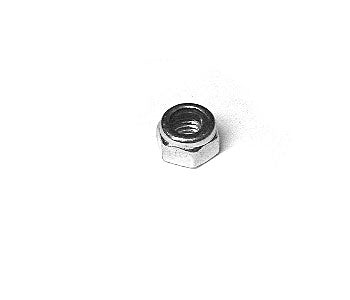
Nut for Pallet Jacks
3779075
Couldn't load pickup availability
- Expert support & fitment help
- 30-day returns
- Fast Shipping
Compatibility
|
Make |
- |
|---|---|
|
Model |
- |
Visit our diagram page for part references to popular models
Product Description
NUT
Specifications
Product Overview
| Product Type | Hex Nut |
Physical Specifications
| Material | Steel |
| Finish | Zinc-Plated |
| Thread Type | Metric/Standard Thread |
| Capacity Range | 2500-5500 lbs equipment |
| Corrosion Resistance | Zinc-plated for warehouse and outdoor storage environments |
| Vibration Resistance | High-strength steel for repeated tightening cycles |
Compatibility
| Applications | Load wheel assemblies, steering mechanisms, structural frame fastening |
| Compatible Equipment Types | Manual pallet jacks, hand pallet trucks, material handling equipment |
Frequently Asked Questions
Q: What is part 3779075 used for?
A: Part 3779075 is a hex nut designed for assembly and fastening applications on manual pallet jacks and material handling equipment. It is used to secure bolts, shafts, and structural components during equipment assembly or repair.
Q: What equipment types use this hex nut?
A: Hex nut 3779075 is compatible with manual pallet jacks from major manufacturers including Crown, Toyota, Raymond, Yale, and Hyster. This fastener is used in load wheel assemblies, steering mechanisms, and structural frame connections on manual pallet jacks rated from 2500 to 5500 lbs capacity.
Q: What material is this hex nut made from?
A: Hex nut 3779075 is manufactured from steel to provide the strength and thread durability required for repeated tightening and vibration resistance in material handling environments. The steel construction ensures long service life without thread stripping or corrosion issues in warehouse and outdoor storage conditions.
Q: What is the bolt size or thread specification for this nut?
A: SKU 3779075 refers to a specific hex nut size designed for manual pallet jack fastening applications. Verify the thread size and diameter match your equipment bolt before ordering. Cross-reference your equipment documentation or existing fasteners to confirm compatibility.
Q: Is this nut a replacement or wear part?
A: Hex nut 3779075 is a fastening component subject to vibration loosening and occasional thread damage from repeated use. It is typically replaced as needed during maintenance or equipment repair rather than on a scheduled maintenance interval. Inspect for stripped threads or corrosion before reusing.