

Nuts for Manual Pallet Jack
59482000
Couldn't load pickup availability
- Expert support & fitment help
- 30-day returns
- Fast Shipping
Compatibility
|
Make |
- |
|---|---|
|
Model |
- |
Visit our diagram page for part references to popular models
Product Description
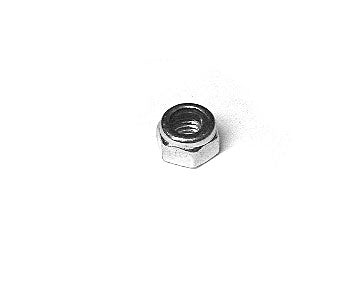
NUT
Specifications
Product Overview
| Part Number | 59482000 |
| Product Type | Nut Fastener |
Physical Specifications
| Material | Steel / Stainless Steel |
| Finish | Zinc-Plated or Natural |
| Load Rating | Suitable for Load-Bearing Components |
| Corrosion Resistance | Standard Industrial Grade |
Compatibility
| Application | Manual Pallet Jack Assemblies |
| Compatible Equipment | Manual Pallet Jacks - Multiple Brands |
Frequently Asked Questions
Q: What is the 59482000 nut used for on manual pallet jacks?
A: The 59482000 is a fastener nut component for manual pallet jack assemblies. Nuts of this type secure wheel axles, pump assemblies, load beam components, or handle mechanisms depending on the pallet jack model. The nut size, thread pitch, and material grade are specified in the technical documentation for your equipment. Correct fastener specifications are critical for load-bearing components.
Q: Which manual pallet jack brands use the 59482000 nut as a replacement part?
A: The 59482000 nut is a standard fastener component for manual pallet jacks from major OEM manufacturers including Crown, Toyota, Raymond, Yale, Hyster, and similar brands. To confirm compatibility, verify the nut size, thread specification, and application location on your specific pallet jack model and serial number before ordering, as fastener applications vary across models and generations.
Q: What material and grade is the 59482000 nut manufactured from?
A: The specific material grade and hardness of the 59482000 nut are documented in the product technical specifications. Fasteners for load-bearing applications on pallet jacks typically use steel or stainless steel in grades suitable for mechanical property and corrosion resistance requirements. Using the correct fastener grade and size ensures safe load-handling performance and prevents assembly failure or loosening under operational stress.
Q: When should the 59482000 nut be replaced on a pallet jack?
A: Replace the 59482000 nut if it shows visible corrosion, rust, stripping of the threads, or deformation. If a nut is removed during maintenance or repair and cannot be securely re-installed due to thread damage, replacement is necessary. Use only the correct fastener specification and grade when replacing. Fasteners that are loose, stripped, or corroded can lead to component separation and load control failure during operation.