

Pin for Manual Pallet Jack
220015938
Couldn't load pickup availability
- Expert support & fitment help
- 30-day returns
- Fast Shipping
Compatibility
|
Make |
- |
|---|---|
|
Model |
- |
Visit our diagram page for part references to popular models
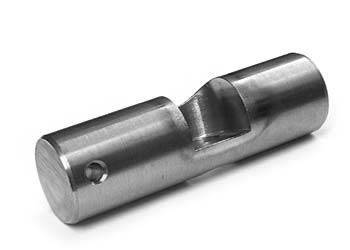
Product Description
PIN
Specifications
Product Overview
| Product Type | Pivot/Hinge Pin Assembly |
Physical Specifications
| Material | Hardened Steel |
| Load Capacity Range | 2,500 - 5,500 lbs |
| Function | Pump Stroke Articulation, Force Transfer |
Compatibility
| Application | Manual Pallet Jack Pump & Linkage |
| Compatible Equipment | Crown, Toyota, Raymond, Yale Manual Pallet Jacks |
Frequently Asked Questions
Q: What manual pallet jack models use pin 220015938?
A: Pin 220015938 is a pivot or hinge pin assembly for manual pallet jack pump and linkage mechanisms. It is compatible with Crown, Toyota, Raymond, and Yale manual pallet jack models. Verify the pin diameter and length with your jack documentation before ordering.
Q: What are the material specifications for pin 220015938?
A: This pin is manufactured from hardened steel with a controlled grain structure to resist shear stress and lateral loading. The pin is designed to withstand repeated flexing and articulation in manual pallet jack pump stroke cycles.
Q: What load capacity does pin 220015938 support?
A: Pin 220015938 is engineered to support the full hydraulic load of its corresponding pallet jack, typically between 2,500 and 5,500 pounds depending on the jack model. The pin transfers force from the handle to the pump mechanism under peak load.
Q: What symptoms indicate pin 220015938 needs replacement?
A: Warning signs include excessive play or looseness in the pump linkage, grinding or clicking sounds during pump strokes, uneven lift behavior between pump cycles, or visible wear grooves on the pin surface. A worn or bent pin compromises pump alignment.
Q: How often should pin 220015938 be inspected?
A: Inspect the pin annually or after every 500 operating hours in high-use environments. Look for lateral movement, surface damage, or permanent deformation. Pins that are bent or scored should be replaced to prevent pump mechanism failure.