

Piston & Cylinder Assembly for Manual Pallet Jack
00591-31122-81
Couldn't load pickup availability
- Expert support & fitment help
- 30-day returns
- Fast Shipping
Compatibility
|
Make |
|
|---|---|
|
Model |
- |
Visit our diagram page for part references to popular models
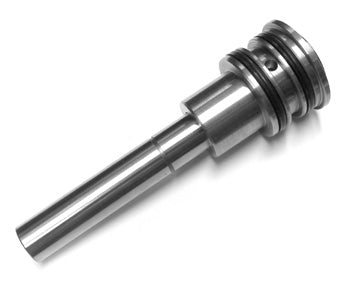
Product Description
PISTON & CYLINDER ASSY
Specifications
Product Overview
| Part Number | 00591-31122-81 |
| Product Type | Piston and Cylinder Assembly |
Physical Specifications
| System Type | Manual Hydraulic (Hand-Powered Pallet Jack) |
| Fluid Type | ISO 46 or ISO 68 Hydraulic Oil |
| Primary Function | Converts manual pump pressure to vertical lift force |
| Condition | Direct replacement assembly with factory-spec seals |
| Recommended Fluid Change Interval | Every 2-3 years per manufacturer specifications |
Compatibility
| Compatible Brand | Toyota |
Frequently Asked Questions
Q: What is the 00591-31122-81 piston and cylinder assembly used for?
A: The 00591-31122-81 is an OEM Toyota piston and cylinder assembly that powers the hydraulic lifting mechanism in manual pallet jacks. This component converts manual pump pressure into vertical lift force, raising and lowering the load platform. It is a critical wear item that experiences high pressure and repeated cycling. Replacement becomes necessary when the cylinder leaks, loses pressure, or the piston rod binds or moves sluggishly.
Q: Which Toyota manual pallet jack models use the 00591-31122-81 piston and cylinder assembly?
A: The 00591-31122-81 is designed for Toyota manual pallet jacks. It is compatible with multiple Toyota hand pallet jack models across several load classes. Exact compatibility depends on your equipment model, serial number, and hydraulic circuit configuration. Verify your pallet jack part diagram and specifications before ordering. Contact our parts team with your equipment details to confirm that the 00591-31122-81 is the correct piston and cylinder assembly for your unit.
Q: What symptoms indicate the 00591-31122-81 cylinder assembly needs replacement?
A: Replace the 00591-31122-81 piston and cylinder assembly if you observe: oil leaking from the cylinder rod or connection points, loss of lifting pressure or inability to reach full height, jerky or sluggish lifting motion, or the lift platform dropping slowly when held. Internal seal wear, piston scratches, or rod damage compromise pressure integrity. If you pump the handle and the platform does not lift consistently, drain and inspect the hydraulic fluid for contamination. Seals are typically not user-serviceable; full assembly replacement is required.
Q: How is the 00591-31122-81 piston and cylinder assembly installed?
A: Installation requires draining the hydraulic system and disconnecting the old cylinder from the pump inlet and lift platform connections. Clean all hydraulic ports and connections to prevent contamination. Insert the new 00591-31122-81 assembly, ensuring proper alignment with the mounting brackets. Connect the inlet and outlet lines and tighten fittings securely. Refill the system with the correct hydraulic fluid grade per Toyota specifications. Bleed air from the circuit by pumping the handle slowly several times. Test lift function before returning the pallet jack to service.
Q: What hydraulic fluid type and grade should be used with the 00591-31122-81 cylinder?
A: The 00591-31122-81 is designed for ISO 46 or ISO 68 hydraulic oil, typical for manual pallet jack systems. Consult your Toyota service manual to confirm the exact fluid specification for your pallet jack model. Use clean, filtered hydraulic fluid to prevent seal contamination and internal piston rod wear. Change hydraulic fluid every 2-3 years or per Toyota recommendations. Improper fluid type can damage seals and reduce component lifespan. Always use new fluid when installing a replacement cylinder.
Q: How should the 00591-31122-81 piston and cylinder assembly be maintained?
A: Maintain the 00591-31122-81 by keeping the hydraulic system clean and free of contamination. Inspect the piston rod regularly for scratches, corrosion, or pitting that could damage seals. Check hydraulic fluid level monthly and top up with the correct grade if needed. Monitor for oil leaks around the cylinder rod and connection fittings. Keep the piston rod clean with a dry cloth to prevent dirt ingestion into the cylinder. Lifespan is typically 5-10 years with proper hydraulic maintenance. Poor fluid quality or contamination can shorten service life significantly.