

Polyurethane Standard Load Wheel for Electric Lift Trucks - Fits Toyota, Crown
00591-52053-81
Couldn't load pickup availability
- Expert support & fitment help
- 30-day returns
- Fast Shipping
Compatibility
|
Make |
|
|---|---|
|
Model |
|
Visit our diagram page for part references to popular models
Product Description
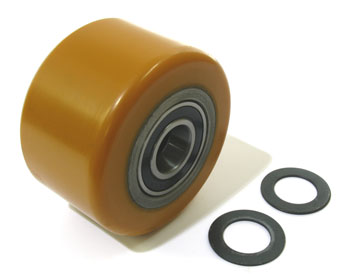
Polyurethane wheel part number 00591-52053-81 is a replacement wheel for Toyota, Crown, and Caterpillar electric lift trucks. It is compatible with PE, PW, PC, and 6HBW20 models.
Specifications
Material & Construction
| Material | Polyurethane |
Part Numbers & Compatibility
| Make | Toyota, Crown, Cat Caterpillar |
| Model | PE, PW, PC, 6HBW20 |
| Part Number | 00591-52053-81 |
| Manufacturer Part Number | 00591-52053-81 |
Wheel Dimensions
| Outside Diameter | 4 in |
| Width | 2.5 in |
Additional Specifications
| Hardness Range | 20A–75D (specific to Toyota polyurethane wheels in this application) |
| Tensile Strength | 3–53 MPa |
| Elongation | 22–76% |
| Tear Strength | 10–195 kN/m |
| Resilience | 20–50% |
Frequently Asked Questions
Q: Which makes and models is this wheel compatible with?
A: This polyurethane wheel is compatible with Toyota, Crown, and Caterpillar electric lift trucks. It fits PE, PW, PC, and 6HBW20.
Q: What material is this wheel made from?
A: This wheel is made from polyurethane.
Q: How do I know when to replace this wheel?
A: Replace the wheel when it shows signs of wear or damage. Regular inspection can help identify when a replacement is needed.
Q: Is this wheel suitable for different operating conditions?
A: This polyurethane wheel is intended for electric lift truck applications. Verify that the replacement is appropriate for the specific lift truck and operating environment.
Q: What should I consider before purchasing a replacement wheel?
A: Verify compatibility with your specific lift truck model and confirm that the mounting interface and other specifications match before ordering. Part number 00591-52053-81 is compatible with the listed Toyota, Crown, and Caterpillar models.