

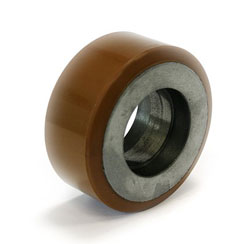
Polyurethane Wheel for Electric Lift Truck
082021-030
Couldn't load pickup availability
- Expert support & fitment help
- 30-day returns
- Fast Shipping
Compatibility
|
Make |
- |
|---|---|
|
Model |
- |
Visit our diagram page for part references to popular models
Product Description
High-quality polyurethane wheel designed for electric forklifts, pallet jacks, and other electric material handling equipment. Polyurethane construction delivers excellent load-bearing capacity, durability, and floor protection. This wheel provides reliable performance in warehouse and manufacturing environments with superior grip and wear resistance compared to standard rubber alternatives. Ideal for facilities requiring precision load handling and reduced noise operation.
Specifications
Material Properties
| Material Type | Polyurethane |
| Material Characteristics | High load-bearing capacity, excellent wear resistance, reduced noise operation, superior floor protection |
Application
| Application | Material handling equipment including electric forklifts, electric pallet jacks, stackers, reach trucks, and other electric lift trucks |
Frequently Asked Questions
Q: What types of equipment is the polyurethane wheel 082021-030 designed for?
A: This polyurethane wheel is designed for electric lift trucks including forklifts, pallet jacks, stackers, and reach trucks. Verify specific compatibility with your equipment model before ordering.
Q: What are the advantages of polyurethane wheels over rubber wheels?
A: Polyurethane wheels offer superior load-bearing capacity, excellent wear resistance, longer service life in typical warehouse conditions, reduced noise operation, and better protection of facility floors.
Q: How should polyurethane wheels be stored?
A: Store polyurethane wheels in a dry, temperature-controlled environment away from direct sunlight. Avoid storage in extremely hot or cold conditions, as temperature extremes can affect the material properties over time.
Q: What is the typical service life of a polyurethane wheel?
A: Polyurethane wheel lifespan typically ranges from 2 to 5 years depending on load intensity, floor type, and usage patterns. Monitor tread wear regularly and replace when the compound shows significant hardening or surface damage.
Q: How do I know when a polyurethane wheel needs replacement?
A: Replace the wheel when you observe significant tread wear, flat spots, cracks, surface damage, or noticeable hardening of the compound. Regular inspection during maintenance routines will help identify wear patterns early.
Q: Is the 082021-030 suitable for wet or cold storage environments?
A: Polyurethane wheels like the 082021-030 offer good durability in typical warehouse conditions. For specialized environments such as wet floors or freezer operations, verify that your wheel compound is rated for those temperature ranges and surface conditions.
Q: How long does a polyurethane wheel like the 082021-030 typically last?
A: Polyurethane wheel lifespan depends on load, floor type, and usage intensity. Standard material handling applications see typical service life of 2 to 5 years. Monitor tread wear and replace when compound shows significant hardening or surface damage.