

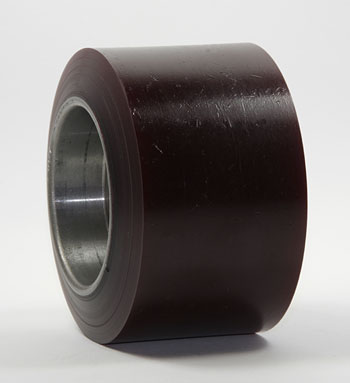
Raymond Polyurethane Wheel for Lift Trucks
15-201
Couldn't load pickup availability
- Expert support & fitment help
- 30-day returns
- Fast Shipping
Compatibility
|
Make |
- |
|---|---|
|
Model |
- |
Visit our diagram page for part references to popular models
Product Description
Raymond 15-201 polyurethane wheel is a polyurethane lift truck wheel designed for Raymond equipment. Cross-reference and mechanical details are limited
Specifications
Material
| Tread Material | Polyurethane compound |
Part Numbers
| Part Number | 15-201 |
| Brand | Raymond |
Application
| Equipment Type | Electric lift trucks, pallet jacks, stackers |
Frequently Asked Questions
Q: What are the dimensions and bore specifications for the 15-201?
A: The 15-201 is a polyurethane wheel. Verify bore size and wheel width match your equipment axle configuration before ordering.
Q: What materials are used in the 15-201 wheel?
A: The 15-201 features a polyurethane tread compound engineered for lift truck wheel applications. Polyurethane provides low rolling resistance, excellent floor protection, and good grip on standard warehouse floors. The material supports load wheels on electric forklifts, pallet jacks, and stackers.
Q: Which lift truck types are compatible with the 15-201?
A: The 15-201 is designed for Raymond electric lift trucks using the wheel standard. Common applications include electric counterbalanced forklifts, walkie stackers, and sit-down reach trucks. Consult your equipment documentation to confirm bore size match your axle configuration.
Q: How does polyurethane construction benefit floor safety?
A: Polyurethane wheels minimize floor damage compared to metal or hard rubber alternatives. The 15-201 tread protects concrete and sealed floors in food processing facilities, cleanrooms, and sensitive storage areas while providing adequate grip for load stability.
Q: What is the typical lifespan of the 15-201 wheel?
A: Polyurethane load wheels typically last depending on daily operating hours and load cycles. The 15-201 will show tread wear flattening and loss of elasticity over time. Replace when tread hardness increases noticeably.
Q: What maintenance does the 15-201 require?
A: Periodically inspect the wheel bore for debris and axle play. Clean polyurethane tread of oils and floor contaminants to maintain grip. Check bearing condition separately. Monitor for cracks or uneven wear patterns, which may indicate misalignment or overload conditions.