

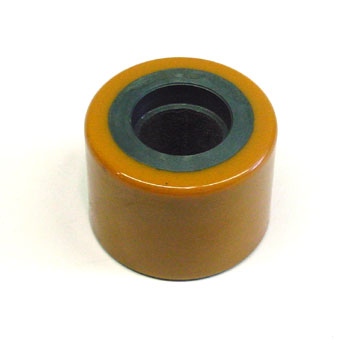
Polyurethane Wheel for Electric Lift Truck
1500154-37
Couldn't load pickup availability
- Expert support & fitment help
- 30-day returns
- Fast Shipping
Compatibility
|
Make |
|
|---|---|
|
Model |
|
Visit our diagram page for part references to popular models
Product Description
This polyurethane wheel is designed for electric lift truck and material handling equipment applications. The polyurethane tread provides non-marking performance on indoor warehouse floors while delivering reliable durability and load support on concrete surfaces. Direct replacement for compatible equipment models—verify wheel bore diameter, axle diameter, and wheel width against your equipment specifications before ordering to ensure proper fitment.
Specifications
Material & Construction
| Material | Polyurethane |
Part Numbers & Compatibility
| Make | Yale, Hyster, Raymond |
| Model | MPB040E, MPE060, MPE080, MPW045E, MPB045VG, W40Z, W45Z, W45Z HD |
| Part Number | 1500154-37 |
| Surface Compatibility | Concrete, warehouse floors |
| Application | Electric forklifts, electric pallet jacks, material handling equipment |
Wheel Dimensions
| Outside Diameter | 4 in |
| Width | 2.875 in |
Additional Specifications
| Product Type | Polyurethane Wheel |
| Tread Type | Non-marking polyurethane |
| Recommended Use | Indoor warehouse material handling |
Frequently Asked Questions
Q: What equipment is this polyurethane wheel designed for?
A: This polyurethane wheel, part number 1500154-37, is designed for electric lift trucks and material handling equipment. Verify your equipment model before ordering to ensure proper fitment.
Q: What is the benefit of polyurethane wheel tread?
A: Polyurethane tread provides non-marking performance on warehouse floors, protecting flooring finishes while delivering traction and durability on concrete and sealed surfaces. This makes it suitable for indoor warehouse and facility environments.
Q: What makes and models is this wheel compatible with?
A: This polyurethane wheel fits electric lift trucks from Yale, Hyster, and Raymond. Compatible models include MPB040E, MPE060, MPE080, MPW045E, MPB045VG, W40Z, W45Z, and W45Z HD.
Q: What is the typical service life of this wheel?
A: Polyurethane wheel lifespan depends on operating hours, floor surface conditions, and maintenance practices. Indoor warehouse use on concrete can provide extended service life. Monitor the wheel regularly and replace it when noticeable wear or damage is observed.
Q: How can I verify this wheel fits my electric lift truck?
A: Check your equipment documentation for the wheel specifications. Contact an authorized parts distributor with your equipment make, model, and serial number for fitment confirmation.
Q: What material is this wheel made from?
A: The wheel is made from polyurethane. Polyurethane is used for warehouse material handling equipment and provides non-marking performance and durability on concrete surfaces.
Q: What should I do if I need replacement guidance?
A: Verify your equipment make, model, and serial number. Contact an authorized parts distributor for replacement guidance and fitment confirmation.