

Polyurethane Wheel and Versatile
1500155-50
Couldn't load pickup availability
- Expert support & fitment help
- 30-day returns
- Fast Shipping
Compatibility
|
Make |
- |
|---|---|
|
Model |
- |
Visit our diagram page for part references to popular models
Product Description
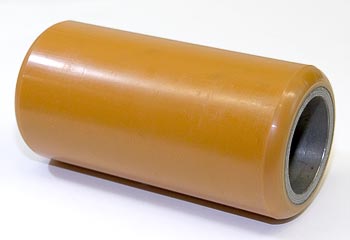
POLYURETHANE WHEEL
Specifications
Product Overview
| Type | Polyurethane Wheel |
| Part Number | 1500155-50 |
Physical Specifications
| Material | Polyurethane |
| Floor Contact | Non-Marking (Typical) |
Compatibility
| Application | Electric Lift Trucks, Electric Pallet Jacks |
Frequently Asked Questions
Q: What equipment is the 1500155-50 polyurethane wheel designed for?
A: The 1500155-50 is a polyurethane wheel for electric lift truck applications. Contact us with your specific equipment manufacturer, model number, and current wheel specifications to confirm compatibility and fitment.
Q: What are the material specifications for this polyurethane wheel?
A: The 1500155-50 features polyurethane tread construction. Detailed specifications including durometer rating, wheel center material, and bearing type require research or direct manufacturer documentation. Contact us for complete material specifications and dimensional data.
Q: What is the wheel diameter of the 1500155-50?
A: Diameter and dimensional specifications for the 1500155-50 are not currently available. Provide your equipment model number so we can confirm fitment and specifications before you order.
Q: Is this a marking or non-marking wheel?
A: Polyurethane wheels are typically non-marking, making them ideal for indoor environments where floor protection is important. Contact us directly to confirm the specific marking properties of the 1500155-50 for your application.
Q: How do I verify the 1500155-50 will fit my equipment?
A: To verify compatibility, provide your equipment manufacturer name, model number, and bearing type. We can confirm whether the 1500155-50 is the correct direct replacement for your specific lift truck or pallet jack.
Q: How long does a polyurethane wheel typically last?
A: Polyurethane wheel lifespan depends on load capacity, usage frequency, floor surface, and operating conditions. Wheels used in light-duty applications may last several years, while heavy-use environments require more frequent replacement. Inspect wheels regularly for wear, cracks, or flat spots.
Q: How should polyurethane wheels be stored when not in use?
A: Store polyurethane wheels in a cool, dry location away from direct sunlight and extreme temperatures. Avoid stacking equipment on wheels for extended periods. Proper storage prevents premature deterioration and extends wheel lifespan.
Q: What material specifications does the 1500155-50 have?
A: The 1500155-50 features polyurethane tread construction. Detailed specifications including durometer rating, wheel center material, diameter, and bearing type are not currently documented. Contact us for complete material specifications and dimensional data.
Q: How do I know if the 1500155-50 will fit my electric lift truck?
A: To verify compatibility, provide us with your equipment manufacturer name, model number, and the current wheel diameter and bearing type. We can confirm whether the 1500155-50 matches your specifications and is the correct replacement.