

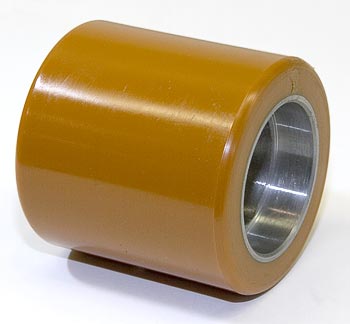
Polyurethane Wheel
216260
Couldn't load pickup availability
- Expert support & fitment help
- 30-day returns
- Fast Shipping
Compatibility
|
Make |
- |
|---|---|
|
Model |
- |
Visit our diagram page for part references to popular models
Product Description
POLYURETHANE WHEEL
Frequently Asked Questions
Q: What electric lift truck models is the 216260 polyurethane wheel compatible with?
A: This polyurethane wheel is compatible with electric pallet jacks and lift trucks from Crown, Toyota, Raymond, Hyster, Jungheinrich, Linde, Nichiyu, and BT. Verify axle compatibility with your specific truck model before ordering.
Q: What is the load capacity of the 216260 polyurethane wheel?
A: Load capacity depends on bearing specifications and your truck's design. Maximum load per wheel is determined by your specific equipment configuration. Contact your truck manufacturer or our technical team with your model number for exact load rating.
Q: How long does a polyurethane wheel typically last in service?
A: Under normal warehouse use, a polyurethane wheel lasts 2 to 4 years before requiring replacement. Lifespan depends on daily load hours, floor conditions, and operating environment. Heavy use or rough floor surfaces accelerate wear. Wheels used on clean, smooth floors last longer than those on rough or uneven surfaces.
Q: What is the difference between polyurethane wheels and other wheel types?
A: Polyurethane wheels offer superior grip and durability compared to solid rubber wheels. The polyurethane compound resists abrasion, cuts, and deformation under load. These wheels perform well on dry, clean warehouse floors and general indoor material handling applications. Polyurethane construction provides longer service life and better load capacity retention than other soft tire materials.
Q: What floor conditions work best with polyurethane wheels?
A: Polyurethane wheels perform optimally on clean, dry warehouse floors with smooth or lightly textured surfaces. Heavy-duty use on rough concrete, uneven floors, or outdoor surfaces accelerates wear. For specialized applications or rough surfaces, consult your equipment manufacturer about alternative wheel materials.
Q: Do I need to maintain or inspect my polyurethane wheel?
A: Periodically inspect wheels for uneven wear, cracks, or deformation. Clean wheels to remove debris and maintain optimal grip. Monitor bearing condition and lubrication per your truck manufacturer's maintenance schedule. Replace wheels showing significant wear to maintain safe equipment operation and load capacity.