

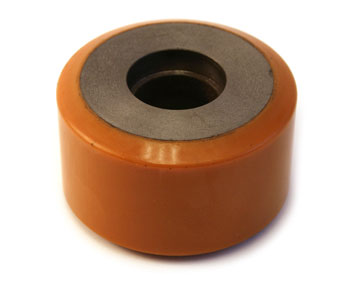
Polyurethane Wheel for Electric Lift Trucks
220024610
Couldn't load pickup availability
- Expert support & fitment help
- 30-day returns
- Fast Shipping
Compatibility
|
Make |
- |
|---|---|
|
Model |
- |
Visit our diagram page for part references to popular models
Product Description
Polyurethane wheel, SKU 220024610, engineered for electric lift truck applications, features high-traction, non-marking polyurethane tread chemically bonded to heavy-duty iron or aluminum alloy core; designed for compatibility with electric pallet jacks and lift trucks.
Specifications
Material
| Tread Material | Chemically bonded liquid cast polyurethane |
| Tread Hardness | 85 Shore A |
| Core Material | Heavy-duty iron or aluminum alloy |
| Marking Characteristics | Non-marking |
| Traction | High-traction polyurethane compound |
Part Numbers
| Manufacturer Part Number | 220024610 |
Application
| Compatible Equipment | Electric pallet jacks, electric lift trucks, electric material handling equipment |
Frequently Asked Questions
Q: What is the weight capacity and material composition of this polyurethane wheel?
A: This wheel features a chemically bonded liquid cast polyurethane tread with 85 Shore A hardness, bonded to a heavy-duty iron or aluminum alloy core. The non-marking polyurethane provides high traction for electric lift truck applications.
Q: Which equipment types is this wheel compatible with?
A: This wheel is engineered for electric pallet jacks and electric lift trucks from multiple manufacturers including Toyota, Crown, Raymond, Hyster, and similar electric material handling equipment. Verify wheel dimensions and core specifications match your equipment before ordering.
Q: Why use non-marking polyurethane?
A: The non-marking polyurethane tread prevents dark scuff marks on flooring while maintaining high traction for electric lift truck operations. This is critical in retail, warehouse, and climate-controlled environments where floor appearance matters. The 85 Shore A hardness provides durability and load capacity while minimizing marking.
Q: How does chemically bonded polyurethane compare to other construction methods?
A: Chemically bonded construction creates a permanent molecular bond between the polyurethane tread and the iron or aluminum core. This prevents tread separation and extends wheel lifespan compared to pressed-on or adhesive-bonded alternatives. Chemical bonding is the industry standard for high-load electric lift truck wheels.
Q: What maintenance does this wheel require?
A: Periodically clean the wheel to remove debris that may reduce traction. Inspect regularly for cracks, flat spots, or uneven wear indicating replacement is needed. The chemically bonded polyurethane is durable but will eventually wear under continuous use. Replace the wheel when tread is worn or traction is compromised. Store in a dry location away from extreme heat or direct sunlight to preserve material integrity.