

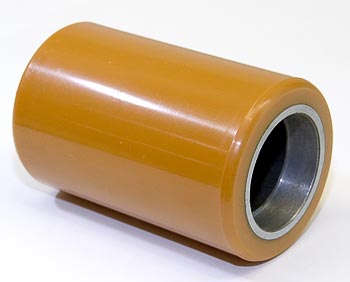
Polyurethane Wheel for Electric Lift Truck
2200789-51
Couldn't load pickup availability
- Expert support & fitment help
- 30-day returns
- Fast Shipping
Compatibility
|
Make |
- |
|---|---|
|
Model |
- |
Visit our diagram page for part references to popular models
Product Description
Thepolyurethane wheelis engineered for reliable performance in electric lift truck and pallet jack applications. Featuring a durable polyurethane tread with polyolefin core construction, this wheel delivers excellent chemical and oil resistance in warehouse environments. Smooth operation and extended lifespan make this a dependable replacement for electric forklifts, pallet jacks, and stackers.
Specifications
Physical Specifications
| Tread Material | Polyurethane |
| Core Material | Polyolefin |
| Hardness Rating | 95 Shore A |
Compatibility
| Applications | Electric pallet jacks, electric forklifts, stackers, material handling equipment |
Frequently Asked Questions
Q: What types of equipment is the 2200789-51 wheel compatible with?
A: The 2200789-51 polyurethane wheel is designed for electric lift truck and pallet truck applications. It is compatible with electric pallet jacks, electric forklifts, and material handling equipment from manufacturers including Crown, Raymond, Toyota, and similar brands. Always verify that the mounting bolt hole pattern and bore size match your specific equipment before installation.
Q: What are the key specifications of the 2200789-51?
A: This wheel features polyurethane tread with polyolefin core, 95 Shore A hardness rating, and a roller.
Q: Is the 2200789-51 resistant to chemicals and oils?
A: Yes. The polyurethane tread material is resistant to common warehouse chemicals, hydraulic oils, and petroleum products. This chemical and oil resistance significantly extends wheel life in environments where spills or leaks occur regularly. The polyolefin core provides additional durability against degradation from these substances.
Q: What is the load capacity of this wheel?
A: The wheel is rated for a static load.
Q: How should I maintain the 2200789-51 wheel?
A: Periodically inspect the wheel for uneven wear, cracks, or damage to the polyurethane tread. Clean the wheel surface to remove debris and dried chemicals that could affect performance. Check that the roller bearing rotates freely and smoothly. Store wheels in a cool, dry location away from direct sunlight and extreme heat.
Q: What equipment does the 2200789-51 polyurethane wheel fit?
A: The 2200789-51 is a polyurethane wheel designed for electric lift truck and pallet truck applications. It is compatible with electric pallet jacks, electric forklifts, and material handling equipment from manufacturers including Crown, Raymond, Toyota, and similar brands. Verify mounting bolt hole pattern and bore size match your equipment.