

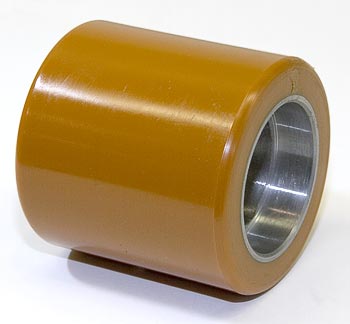
Polyurethane Wheel Assembly for Electric Lift Trucks
3131983
Couldn't load pickup availability
- Expert support & fitment help
- 30-day returns
- Fast Shipping
Compatibility
|
Make |
- |
|---|---|
|
Model |
- |
Visit our diagram page for part references to popular models
Product Description
5-Inch Polyurethane Load Wheel Assembly
Heavy-duty polyurethane wheel designed for electric lift trucks and pallet jacks. Features a steel hub core with sealed precision bearings and 95A polyurethane compound tread for superior wear resistance and smooth operation. Dimensions: Ideal for warehouse, manufacturing, and material handling applications requiring reliable, low-maintenance wheel performance.
Specifications
Material
| Core Material | Steel hub core |
| Finish | Machined wheel hub, polyurethane tread |
| Compound | High-wear 95A polyurethane |
Components
| Bearings | Sealed precision bearings |
Part Numbers
| Manufacturer Part Number | 3131983 |
| Original Equipment Part Number | 3131983 |
Frequently Asked Questions
Q: What are the specifications of the 3131983 polyurethane wheel assembly?
A: The 3131983 features sealed precision bearings and a steel hub core with machined finish. The polyurethane tread is designed for electric lift truck and pallet jack applications.
Q: What polyurethane compound rating does the 3131983 use?
A: The 3131983 uses a high-wear 95A polyurethane compound. The 95A durometer rating provides balanced wear resistance and load-bearing capacity suitable for electric pallet jacks, forklifts, and platform trucks in warehouse and manufacturing environments.
Q: Which electric lift trucks are compatible with the 3131983?
A: The 3131983 is compatible with multiple electric lift truck and pallet jack models from Crown, Toyota, Yale, Hyster, Raymond, Jungheinrich, BT, and Linde. Always verify bore size and wheel position before ordering to ensure proper fitment.
Q: What is the advantage of sealed precision bearings?
A: Sealed precision bearings reduce friction and operational noise, improve battery efficiency by lowering resistance, and extend bearing lifespan by protecting against moisture and debris. They require minimal maintenance compared to open or greased bearing designs.
Q: What is the expected service life of the 3131983 wheel?
A: High-wear 95A polyurethane wheels typically last 2 to 4 years depending on load, distance traveled, and floor conditions. Replace when tread shows uneven wear, reduced traction, visible flat spots, or operational noise increases.