

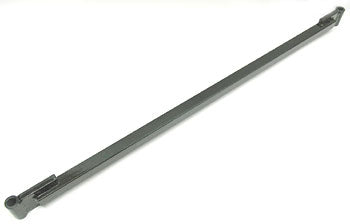
Push Rod for Yale Electric Lift Truck
YL 507305510
Couldn't load pickup availability
- Expert support & fitment help
- 30-day returns
- Fast Shipping
Compatibility
|
Make |
|
|---|---|
|
Model |
|
Visit our diagram page for part references to popular models
Product Description
Push Rod
Specifications
Part Numbers & Compatibility
| Make | Yale |
| Model | B802, MPB040E |
Frequently Asked Questions
Q: What is the YL 507305510 push rod used for?
A: The YL 507305510 is a push rod component for Yale electric lift trucks. It functions as a mechanical linkage transferring motion and control inputs from actuation assemblies to steering or load-handling mechanisms, enabling directional and lifting operations.
Q: Which Yale lift truck models are compatible with the YL 507305510?
A: The YL 507305510 is engineered for specific Yale electric lift truck models. It fits B802, and MPB040E models.
Q: What material and construction standards does the YL 507305510 meet?
A: The YL 507305510 push rod is manufactured to Yale mechanical standards from hardened steel or steel alloy. The component is precision-machined and finished to ensure durability, corrosion resistance, and reliable performance in material handling environments.
Q: How can I identify if the YL 507305510 requires replacement?
A: Replace the YL 507305510 if you observe unresponsive controls, excessive vibration, visible damage or bending, metal particles in hydraulic fluid, or loss of pressure at connection points. These symptoms indicate mechanical failure and compromised equipment functionality.
Q: What is the typical service interval for the YL 507305510?
A: The YL 507305510 is a wear component with a service lifespan of approximately 3000 to 6000 operating hours under normal material handling conditions. Replacement intervals vary based on equipment load cycles, operating environment, and maintenance frequency. Inspect periodically and replace when mechanical degradation becomes evident.
Q: What should I do if I need to replace the YL 507305510?
A: When replacing the YL 507305510, ensure you have the correct part number for your specific equipment model. Verify compatibility with B802, or MPB040E models before purchasing.