

Poly Load Wheel for Electric Lift Truck
PW-420
Guaranteed Fit. Check fit with us before you buy. If we confirm it fits your machine and it doesn’t, we’ll exchange or refund it: no restocking fee, return shipping on us. How it works
Not sure it fits? Send us your make, model and serial number and we’ll check it before you buy.
Couldn't load pickup availability
- Expert support & fitment help
- 30-day returns
- Fast Shipping
Compatibility
|
Make |
- |
|---|---|
|
Model |
- |
Visit our diagram page for part references to popular models
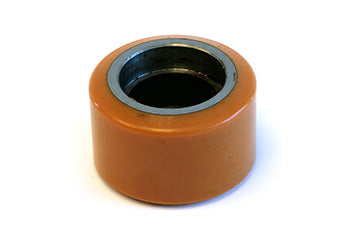
Product Description
Durarun Poly Load Wheel
Specifications
Material & Construction
| Material | Polyurethane |
Part Numbers & Compatibility
| Primary Application | Electric pallet jacks, walkie trucks, straddle trucks |
| Environmental Compatibility | Wet concrete, varied floor conditions |
Performance Specifications
| Temperature Range | Cold storage to standard warehouse |
| Key Performance Features | Enhanced traction, vibration reduction, abrasion resistance |
Additional Specifications
| Material Compound | Durarun Polyurethane |
| Recommended Floor Types | Smooth concrete, wet surfaces, mixed-surface warehouses |
| Wheel Type | Load Wheel |
Wheel Dimensions
| Outside Diameter | 4.0 in |
| Width | 2.0 in |
Frequently Asked Questions
Q: What electric lift truck types is the PW-420 compatible with?
A: The PW-420 is designed to fit walkie and rider-operated electric pallet jacks and straddle trucks from Crown, Toyota, Raymond, Hyster, and Jungheinrich. Verify your equipment model before ordering to ensure proper fitment.
Q: Why choose polyurethane over harder polyurethane?
A: The 95A compound offers better traction on smooth or wet concrete floors and reduces vibration during operation. It is recommended over harder compounds when floor grip is critical or when equipment operates on varied surfaces.
Q: How do I know if the PW-420 fits my equipment?
A: Load wheel compatibility depends on axle specifications. Consult your equipment manual or contact your supplier with your model number and current wheel before purchase.
Q: What material is the PW-420 made from?
A: The PW-420 is constructed from polyurethane, specifically a Durarun 95A formulation engineered for durability and performance in industrial environments.
Q: Is the PW-420 suitable for cold storage or wet environments?
A: Yes, the PW-420 remains flexible in cold storage environments and provides reliable grip on wet concrete. It is well-suited for facilities with temperature fluctuations and damp floor conditions.
Q: What maintenance does the PW-420 require?
A: Polyurethane wheels require minimal maintenance. Regularly inspect for debris, buildup, or damage, and keep the wheel clean to maintain optimal traction.
Q: When should I replace the PW-420?
A: Replace the PW-420 when tread wear noticeably reduces traction. Regular inspection is recommended to help ensure continued performance and safety.