

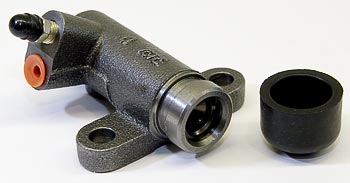
Slave Cylinder for Raymond
RA 820-900-019
Guaranteed Fit. Check fit with us before you buy. If we confirm it fits your machine and it doesn’t, we’ll exchange or refund it: no restocking fee, return shipping on us. How it works
Not sure it fits? Send us your make, model and serial number and we’ll check it before you buy.
Couldn't load pickup availability
- Expert support & fitment help
- 30-day returns
- Fast Shipping
Compatibility
|
Make |
|
|---|---|
|
Model |
- |
Visit our diagram page for part references to popular models
Product Description
SLAVE CYLINDER Raymond, RA820-900-019
Specifications
Part Numbers & Compatibility
| Make | Raymond |
Frequently Asked Questions
Q: What models is the RA 820-900-019 compatible with?
A: The RA 820-900-019 is compatible with Raymond models.
Q: What material is the RA 820-900-019 made from?
A: The RA 820-900-019 is constructed from durable materials designed for long-term use in electric lift truck applications.
Q: How do I know if I need to replace the RA 820-900-019?
A: Signs of wear or failure include difficulty in lifting, lowering, or tilting the truck, as well as leaks or unusual noises from the hydraulic system.
Q: What are common failure modes for this part?
A: Common failure modes include seal leakage, rod scoring, internal corrosion, pressure relief failures, and mechanical wear.
Q: Can I find equivalent parts for the RA 820-900-019?
A: The RA 820-900-019 is the designated replacement part for specific Raymond models. If you need equivalent parts, provide your truck model and serial number for verification.