
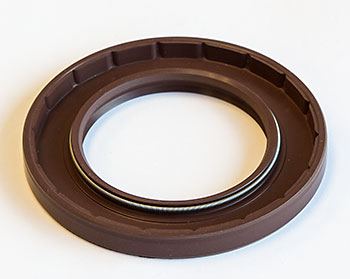
Raymond seal for 102XM walkie pallet truck drive axle
RA 939-353-188
Couldn't load pickup availability
- Expert support & fitment help
- 30-day returns
- Fast Shipping
Compatibility
|
Make |
|
|---|---|
|
Model |
|
Visit our diagram page for part references to popular models
Product Description
Direct replacement seal RA 939-353-188 designed for Raymond 102XM Walkie Pallet Truck drive axle assemblies. This factory-spec seal provides hydraulic and lubricating fluid retention, preventing leakage and maintaining proper lubrication for smooth operation. Manufactured to Raymond specifications for reliable performance and fluid separation in electric pallet jack drive units.
Specifications
Material & Construction
| Construction | Hydraulic-compatible elastomeric sealing element |
Part Numbers & Compatibility
| Make | Raymond |
| Model | 102XM |
| Part Number | RA 939-353-188 |
| Compatible Equipment Model | 102XM Walkie Pallet Truck |
| Application | Drive axle fluid retention in electric pallet jacks |
Performance Specifications
| Operating Environment | Drive axle lubrication and hydraulic oil compatible |
Frequently Asked Questions
Q: What is the RA 939-353-188 used for?
A: The RA 939-353-188 is a direct replacement seal designed to provide hydraulic and lubricating fluid retention in the drive axle assembly of Raymond 102XM electric lift trucks. It prevents fluid leakage and maintains proper lubrication for reliable operation.
Q: Which Raymond models is the RA 939-353-188 compatible with?
A: The RA 939-353-188 is compatible with Raymond 102XM electric lift truck drive axle applications. Always confirm your equipment model before ordering.
Q: What material is the RA 939-353-188 made from?
A: This seal is a hydraulic-compatible elastomeric sealing element manufactured to Raymond factory specifications for reliable performance and fluid separation in electric lift truck drive axle assemblies.
Q: How do I know when to replace the RA 939-353-188?
A: Replace the seal immediately if you notice fluid leaking beneath the truck or fluid dripping from the drive unit. Regular inspection during maintenance checks is recommended.
Q: What fluids work with the RA 939-353-188?
A: The RA 939-353-188 is compatible with drive axle lubrication oils and hydraulic fluids specified for Raymond 102XM electric lift trucks. Always use the fluid type recommended in your equipment manual.