

Rin Roll for Cat Caterpillar Electric Lift Truck
CT 1016622
Guaranteed Fit. Check fit with us before you buy. If we confirm it fits your machine and it doesn’t, we’ll exchange or refund it: no restocking fee, return shipping on us. How it works
Not sure it fits? Send us your make, model and serial number and we’ll check it before you buy.
Couldn't load pickup availability
- Expert support & fitment help
- 30-day returns
- Fast Shipping
Compatibility
|
Make |
|
|---|---|
|
Model |
- |
Visit our diagram page for part references to popular models
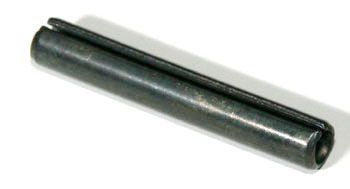
Product Description
RIN ROLL
Frequently Asked Questions
Q: What is the CT 1016622 RIN ROLL component used for?
A: The CT 1016622 RIN ROLL is a guidance or support roll component for Caterpillar electric lift truck mast assemblies. It provides lateral support and alignment for the lift mechanism during vertical travel.
Q: Which Caterpillar lift truck models use the CT 1016622 RIN ROLL?
A: The CT 1016622 is compatible with specific Caterpillar electric lift truck models. Verify your equipment serial number and mast configuration before ordering to ensure correct fitment.
Q: How do I identify if the CT 1016622 RIN ROLL needs replacement?
A: Signs of RIN ROLL wear include mast binding, lateral movement or wobbling during lift cycles, uneven wear tracks on the mast rail, or unusual grinding noises. Worn rolls reduce load stability and can damage mast components.
Q: What materials are used in the CT 1016622 RIN ROLL?
A: The CT 1016622 typically features a steel core with polyurethane or nylon rolling surface. The material composition supports smooth load-bearing operation and resistance to mast rail contact wear.
Q: How often should the CT 1016622 RIN ROLL be inspected?
A: Inspect RIN ROLLs during routine lift truck maintenance, typically every 250-500 operating hours or quarterly, whichever comes first. Early detection of wear prevents mast damage and maintains lift truck stability.