

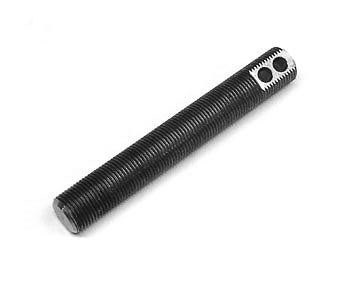
Threaded Rod for Electric Lift Truck
00591-71733-81
Guaranteed Fit. Check fit with us before you buy. If we confirm it fits your machine and it doesn’t, we’ll exchange or refund it: no restocking fee, return shipping on us. How it works
Not sure it fits? Send us your make, model and serial number and we’ll check it before you buy.
Couldn't load pickup availability
- Expert support & fitment help
- 30-day returns
- Fast Shipping
Compatibility
|
Make |
- |
|---|---|
|
Model |
- |
Visit our diagram page for part references to popular models
Product Description
ROD, THREADED
Specifications
Product Overview
| Product Type | Threaded Rod |
Physical Specifications
| Material | Hardened Steel / Alloy Steel |
| Thread Profile | Metric or SAE (verify with equipment manual) |
| Corrosion Resistance | Hardened steel resists corrosion in wet and cold storage |
Compatibility
| Applications | Hydraulic cylinder rods, control linkages, structural fastening assemblies |
| Compatible Equipment Categories | Electric forklifts, electric pallet jacks, reach trucks, order pickers |
Frequently Asked Questions
Q: What is SKU 00591-71733-81 and what is it used for?
A: SKU 00591-71733-81 is a threaded rod used in electric lift truck hydraulic cylinders, control linkages, and structural assemblies. This part is compatible with electric fork lifts and pallet jacks from Crown, Toyota, Raymond, Yale, Jungheinrich, Linde, and similar OEMs.
Q: What material is this threaded rod made from?
A: This rod is manufactured from hardened steel or alloy steel with a full metric or SAE thread profile. The hardened material resists shearing, bending, and corrosion in electric lift truck environments including wet and cold storage conditions.
Q: How do I confirm the thread size and length before ordering?
A: Check your equipment service manual or the original part specification for thread pitch, diameter, and overall length. Cross-reference the OEM part number with SKU 00591-71733-81. Measure the existing rod if available. Thread size mismatch will cause fitment failure.
Q: What is the typical replacement interval for this rod?
A: Under normal operating conditions, a threaded rod typically lasts the lifespan of the equipment or longer. Replace if you observe bending, thread stripping, corrosion pitting, or stress cracks. Inspect regularly, especially in cold storage or high-humidity environments.
Q: Can this rod be repaired or does it need replacement?
A: Threaded rods cannot be reliably repaired. If threads are stripped, the rod is bent, or structural damage is visible, full replacement is necessary. Do not attempt to reweld or machine damage to a structural rod, as this compromises safety and performance.