

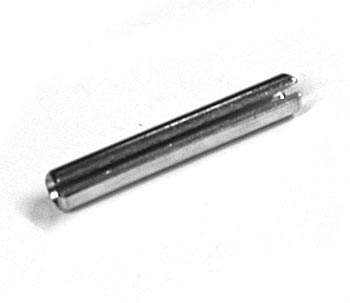
Roll Pin for Electric Lift Truck
50-A-5882
Couldn't load pickup availability
- Expert support & fitment help
- 30-day returns
- Fast Shipping
Compatibility
|
Make |
- |
|---|---|
|
Model |
- |
Visit our diagram page for part references to popular models
Product Description
Roll pin fastener designed for use in electric lift truck and pallet jack assemblies. This spring steel component provides secure, elastic retention of mated parts in steering linkages, brake assemblies, and pivot mechanisms across electric lift equipment. Direct replacement for original equipment, compatible with major manufacturers including Crown, Toyota, Nichiyu, Raymond, Yale, and Hyster lift trucks.
Specifications
Product Overview
| Product Type | Roll Pin |
Physical Specifications
| Material | Spring Steel |
| Primary Use | Steering linkages, brake systems, pivot retention |
| Finish | Standard (Zinc-plated or bare steel) |
| Function | Elastic retention under cyclic loads |
Compatibility
| Application | Electric Lift Truck Assemblies |
| Compatible Equipment Category | Electric Pallet Jacks, Reach Trucks, Electric Forklifts |
Frequently Asked Questions
Q: What is SKU 50-A-5882 and what equipment does it fit?
A: SKU 50-A-5882 is a roll pin for electric lift truck applications. This component is compatible with electric pallet jacks and lift trucks from manufacturers such as Crown, Toyota, Raymond, Yale, and Hyster. Verify your equipment model before ordering.
Q: What is the material composition and why does it matter?
A: Roll pins are manufactured from spring steel to provide elastic retention and durability under cyclic loads. The material resists permanent deformation and maintains secure positioning of mated components in electric lift truck assemblies.
Q: What is the difference between SKU 50-A-2825 and SKU 50-A-5882?
A: Both are roll pins for electric lift truck equipment, but they differ in dimensions, bore diameter, or specific application. Provide your exact equipment model and component location for confirmation of which part number is correct.
Q: How often should roll pins be inspected or replaced?
A: Inspect roll pins during routine maintenance or when equipment shows unusual sounds, vibration, or component movement. Replace immediately if corrosion, cracks, or loss of tension is detected to prevent assembly failure.