

Roll Pin for Manual Pallet Jacks, 800086677
800086677
Couldn't load pickup availability
- Expert support & fitment help
- 30-day returns
- Fast Shipping
Compatibility
|
Make |
- |
|---|---|
|
Model |
- |
Visit our diagram page for part references to popular models
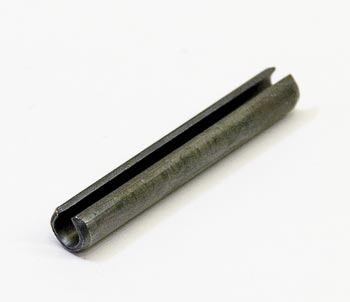
Product Description
ROLL PIN
Specifications
Product Overview
| Product Type | Roll Pin / Spring Pin |
Physical Specifications
| Material | Carbon Steel |
| Finish | Zinc-Plated (Standard) |
| Diameter | Verify from equipment parts diagram |
| Length | Verify from equipment parts diagram |
| Function | Prevents axial movement, maintains coupling alignment |
Compatibility
| Application | Manual pallet jack pump shafts, steering linkages, pivot points |
| Equipment Type | Manual Pallet Jacks |
Frequently Asked Questions
Q: What is the function of the 800086677 roll pin in a manual pallet jack?
A: The 800086677 roll pin is a spring-loaded fastener that secures mechanical linkages, pump shafts, and pivot assemblies in manual pallet jack systems. It prevents axial movement and maintains proper alignment of coupled components.
Q: Is the 800086677 roll pin compatible with electric pallet jacks?
A: The 800086677 is designed specifically for manual pallet jack applications. Electric pallet jacks may use different fastener specifications. Verify your equipment type and cross-reference your service manual before ordering.
Q: What are symptoms that the 800086677 roll pin needs replacement?
A: Indicators include: loose or wobbly steering handle, pump arm slipping or disengaging, loss of hydraulic pressure buildup, visible movement in the pump shaft, or rattling sounds during operation. A failed roll pin compromises lifting function and safety.
Q: What diameter and length specifications does the 800086677 have?
A: The 800086677 roll pin must match the exact hole diameter of your manual pallet jack model and provide sufficient length for secure engagement. Consult your pallet jack specifications sheet or parts diagram for precise dimensions.
Q: How long does the 800086677 roll pin typically last in manual pallet jack service?
A: Under normal use in manual pallet jacks, a roll pin typically lasts 5-10 years or longer. Lifespan depends on load frequency and operating conditions. Heavy-duty applications may require earlier replacement due to increased wear on coupling points.