

Split Pin for Lift-Rite Manual Pallet Jack
LF PL-20242
Couldn't load pickup availability
- Expert support & fitment help
- 30-day returns
- Fast Shipping
Compatibility
|
Make |
|
|---|---|
|
Model |
- |
Visit our diagram page for part references to popular models
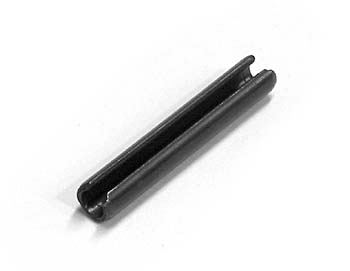
Product Description
Lift-Rite LF PL-20242 Split Pin (Roll Pin) is an OEM spring steel fastener for handle assemblies and linkages in standard and low-profile manual pallet jack models. Supplied to secure critical mechanical joints; OEM fitment for LR55, LR2055, LF50, LU50, LS80, and related series.
Compatibility: Fits pallet jacks made by Lift-Rite, model LF PL-20242. Alternate model: LF PL20242; LF PL 20242. SKU: LF PL-20242
Specifications
Material & Construction
| Finish/Coating | Natural finish per OEM design |
Part Numbers
| Manufacturer Part Number | PL-20242 |
| OEM Part Number | LF PL-20242 |
Frequently Asked Questions
Q: What is the function of the LF PL-20242 split pin?
A: The LF PL-20242 is an OEM spring steel fastener (roll pin) used to secure critical mechanical joints in handle assemblies and linkages. This component prevents relative motion and maintains mechanical alignment in manual pallet jack control handles.
Q: Which Lift-Rite pallet jack models use the LF PL-20242 split pin?
A: The LF PL-20242 is supplied as OEM fitment for Lift-Rite LR55, LR2055, LF50, LU50, LS80, and related manual pallet jack series. This split pin is used in both standard and low-profile pallet truck models.
Q: What material and finish are specified for LF PL-20242?
A: LF PL-20242 is manufactured from spring steel with a natural finish per OEM design specifications. The natural (uncoated) finish provides the standard corrosion resistance typical of OEM Lift-Rite fasteners in warehouse environments.
Q: Are there alternate part number formats for LF PL-20242?
A: The LF PL-20242 is referenced in documentation as LF PL-20242, LF PL20242, or LF PL 20242. These are equivalent designations for the same OEM split pin. The part number is consistent across Lift-Rite service documentation.
Q: Why use OEM split pins rather than substitutes?
A: OEM split pins like LF PL-20242 are engineered to exact spring steel specifications and sized for precision fit in Lift-Rite handle and linkage assemblies. OEM fasteners ensure proper mechanical clearance, load distribution, and prevent premature wear or misalignment in control mechanisms.