

Entry Exit Rollers for Toyota Manual Pallet Jack
00591-04845-81
Couldn't load pickup availability
- Expert support & fitment help
- 30-day returns
- Fast Shipping
Compatibility
|
Make |
|
|---|---|
|
Model |
- |
Visit our diagram page for part references to popular models
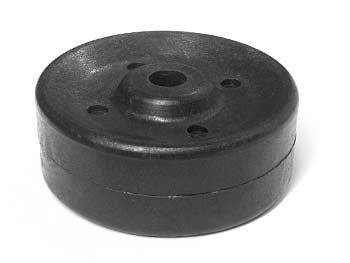
Product Description
ROLLER, ENTRY
Specifications
Product Overview
| Part Number | 00591-04845-81 |
| Product Type | Entry Roller Assembly |
| Manufacturer | Toyota |
Physical Specifications
| Function | Guides and stabilizes fork entry into load; reduces friction during engagement |
| Component Type | Wear Item / Replacement Part |
| Wear Indicators | Rough fork insertion, visible cracks or flat spots on roller surface, increased friction during load pickup |
Compatibility
| Equipment Category | Manual Pallet Jack |
| Application | Manual pallet jacks, hand pallet trucks |
Frequently Asked Questions
Q: What is the 00591-04845-81 entry roller used for?
A: The 00591-04845-81 is an entry roller component for manual pallet jacks. It helps guide and stabilize the forks as they enter a pallet load. This roller is a wear item that contacts the load and floor during operation.
Q: Which manual pallet jack models use the 00591-04845-81 entry roller?
A: The 00591-04845-81 is compatible with Toyota manual pallet jacks and may fit equivalent models from Crown and Raymond. Confirm the mounting bracket dimensions and attachment method match your equipment before ordering.
Q: How do I replace the 00591-04845-81 entry roller?
A: Lower the jacks forks fully. Locate the entry roller assembly at the front of the lift mechanism. Remove the retaining clips or fasteners holding the old roller. Insert the new 00591-04845-81 roller and secure with the original hardware. Test fork movement before loading.
Q: What symptoms indicate the 00591-04845-81 entry roller needs replacement?
A: Replace the entry roller if you notice rough or hesitant fork insertion, visible cracks or flat spots on the roller surface, or increased friction during load pickup. A worn roller increases operator effort and risks load misalignment.