

Entry Exit Rollers for Toyota Manual Pallet Jack
00591-36666-81
Guaranteed Fit. Check fit with us before you buy. If we confirm it fits your machine and it doesn’t, we’ll exchange or refund it: no restocking fee, return shipping on us. How it works
Not sure it fits? Send us your make, model and serial number and we’ll check it before you buy.
Couldn't load pickup availability
- Expert support & fitment help
- 30-day returns
- Fast Shipping
Compatibility
|
Make |
|
|---|---|
|
Model |
- |
Visit our diagram page for part references to popular models
Product Description
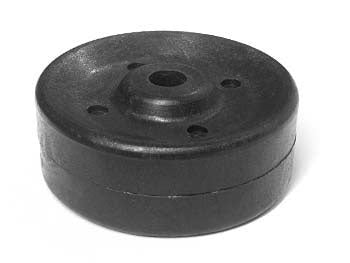
ROLLER, ENTRY
Specifications
Product Overview
| Part Number | 00591-36666-81 |
| Product Type | Entry Roller Assembly |
Physical Specifications
| Material (Roller) | Polyurethane or Nylon Compound |
| Core Material | Steel or Roller-Bearing Core |
| Primary Manufacturer | Nichiyu/Toyota |
| Function | Load fork guidance and pallet entry assistance |
| Wear Indicator | Replace when flattened, cracked, or misaligned |
| Typical Service Life | 2-5+ years depending on usage intensity |
Compatibility
| Equipment Type | Manual Pallet Jack |
Frequently Asked Questions
Q: What is the 00591-36666-81 entry roller used for?
A: The 00591-36666-81 is an OEM entry roller for manual pallet jacks. This roller guides the load fork into pallets during pickup operations. It is a load-bearing component that minimizes friction and wear on the main fork tines during repeated entry cycles.
Q: Which manual pallet jack models use this entry roller?
A: The 00591-36666-81 is compatible with Toyota and similar manual pallet jack platforms. Verify your pallet jack model and serial number to confirm fitment. Standard models from Crown, Raymond, and Yale may use equivalent rollers with different part numbers.
Q: What material is this entry roller made from?
A: OEM entry rollers are typically constructed from polyurethane or nylon compounds mounted on steel or roller-bearing cores. This material selection provides durability under repetitive pallet engagement and reduces noise during operation.
Q: How long do entry rollers last before replacement?
A: Entry roller lifespan varies by usage intensity. High-cycle operations may require replacement every 2 to 3 years. Lower-volume use can extend service life to 5+ years. Replace when you observe worn or flattened surfaces, cracking, or misalignment.
Q: What symptoms indicate this roller needs replacement?
A: Replace the entry roller when you observe excessive wear on the roller surface, abnormal noise during pallet entry, difficulty engaging pallets, or visible damage to the mounting tabs. A worn roller increases strain on the main fork assembly and reduces load-handling accuracy.